
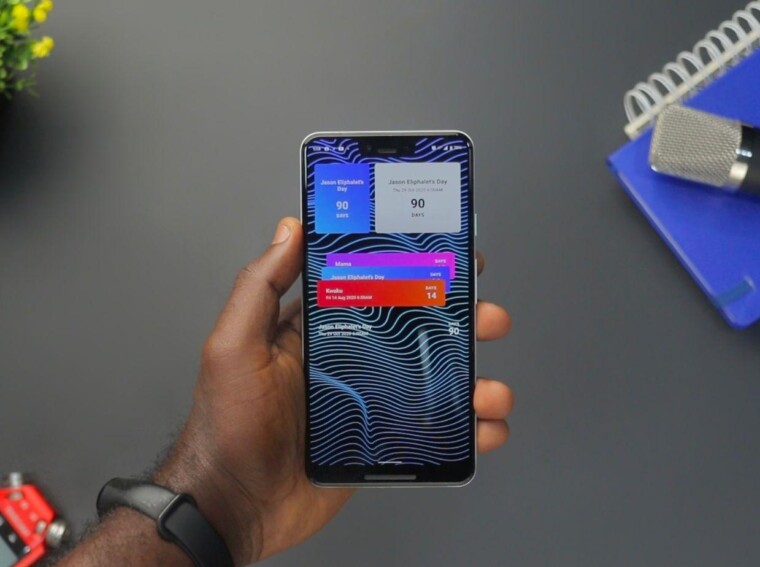
The Ayn Odin 3 Portal landed this week at $399 with a 7-inch 120Hz OLED panel and a 9000mAh battery. Anbernic’s first Snapdragon handheld is already sitting on Amazon. Both run Android, which means both are, whether the manufacturers say it out loud or not, very large phones with sticks on them.
That matters for more than emulation. People play browser slots, live dealer tables and casino apps on these things, usually on a train, a sofa or a long layover. And the moment you win something, you stop caring about frame rates and start caring about how quickly the money gets out.
So here is what a big-battery Android handheld changes about on-the-go play, and which payout rails actually cooperate with it.
What a 9000mAh handheld changes for casino sessions
Battery is the quiet limiter on mobile casino play. On a normal phone, a two-hour live blackjack stream with the screen at full brightness chews through a third of the charge and warms your palm. A 9000mAh cell is roughly double a flagship phone’s capacity, so a four-hour session no longer comes with a charger hunt.
The 120Hz OLED helps too, though not in the way spec sheets suggest. Slots look the same at 60Hz. What improves is the live dealer feed, where fast card motion and chip animation stay clean instead of smearing. I ran a roulette stream on a 120Hz handheld for about 90 minutes and the difference showed mostly in how little my eyes hurt afterwards.
Then there is the physical side. Analog sticks are useless in a casino lobby, so I ended up using the touchscreen anyway, and a 7-inch panel is far less fiddly than a 6-inch phone for hitting small bet buttons. Mis-taps on a £5 spin button cost real money, and bigger touch targets are a genuine safety feature.
PlayMyWorld already covers this territory from the hardware side in its piece on Android gaming console picks. What is new is that the same device doubles as a wallet-connected cashier, and that is where payouts get interesting.
Payout speed by method
Deposits are easy everywhere. Withdrawals are where operators show their true colours, and the method you pick decides whether you wait six minutes or four days.
E-wallets sit at the quick end because the money moves between two accounts that both already know who you are. Once an operator approves the request, PayPal and Skrill usually land in minutes. The approval step is the variable, and it is the thing nobody advertises. A first withdrawal almost always triggers a KYC check, and a passport upload that gets rejected for glare can add a day on its own.
Instant bank rails behave differently. They are fast once triggered, but they depend on your bank supporting the scheme on the receiving end, which is why the same payout can clear in seconds for one person and hours for another. The Richmond Fed’s look at FedNow adoption shows how uneven coverage still is across institutions, which is why a fast-rail promise on a cashier page comes with an asterisk.
Crypto is the odd one. The network confirms in minutes, and there is no bank in the middle. But you carry the risk of a wrong address, and network fees move around. Stablecoins smooth the price swings and add their own withdrawal minimums.
And then there are cards. Debit card payouts exist at some operators, but they are slow, often three to five days, and many sites simply do not allow them. If cards are your only funding route, you may be stuck picking a second method just to get paid.
Where you find the operators matters as much as the rail. A rail is only as quick as the casino’s own approval process, so the real shortcut is starting with a shortlist of online casinos that pay out fast and then matching the method to the way you hold money. PlayMyWorld has also looked at the crypto side in its rundown of fast payout crypto casinos, which is worth reading if a wallet app is your preferred route.
Phone wallets, and why Android handhelds suit them
This is the part that makes handhelds a better casino device than a laptop. Android’s payment layer is built into the operating system, so Apple Pay’s rival, Google Pay, can verify a purchase with a fingerprint or face check and skip the card number entry that causes half of all failed deposits.
Google has been tightening that flow. Its latest Wallet redesign adds biometric verification for purchases, so a handheld with a fingerprint reader can approve a deposit in about two taps. That is quicker than typing a 16-digit number with a thumb on a gaming screen.
The catch: wallet-based deposits are a one-way street at many casinos. You can pay in through Google Pay, but you cannot always cash out to it. The operator then asks you to pick a withdrawal method from a second list, and if the only overlap is a bank transfer, you are back to waiting. Check the cashier page for the withdrawal list before you deposit, not after you win.
Setting up a handheld for quick cashouts
A few habits cut the waiting more than any hardware upgrade does.
Verify your account the day you sign up, not the day you first win. Upload documents in good light, on a flat surface, with all four corners visible. It sounds trivial. It is the single most common reason a payout stalls.
Keep one e-wallet or one crypto wallet dedicated to play. Mixing it with your day-to-day money makes it hard to see what a session really cost you, and it keeps a clean record if an operator asks for source-of-funds proof.
Set a withdrawal habit as well. I move anything above my starting stake out the same session, not the next morning, because a balance sitting in a casino account is a balance tempting you to keep playing.
Watch the device itself. A handheld that is also loaded with emulators and sideloaded apps deserves extra care. Keep the casino in a browser or an official app, turn on a screen lock, and enable two-factor on the wallet. Android’s openness is its strength and its risk in the same breath.
Where this is heading
Handhelds are blurring the line between a gaming device and a payments device, and the operators that adapt first will be the ones with clean mobile cashiers and short approval windows. The hardware is already there. The $399 Odin 3 Portal and the cheaper Anbernic model both offer enough screen and battery for long sessions, and Android’s wallet tools make deposits painless.
What is not solved yet is the back half of the trip. Real-time payments are expanding, as PYMNTS has charted, but operator approval queues and patchy bank support still decide how fast your winnings arrive. Until that gap closes, the safest plan is to pick the method before you pick the game.
FAQ
Can I play casino games on an Android handheld like the Ayn Odin 3 Portal? Yes, through a browser or an operator’s official app, since the device runs standard Android. Check that the casino is licensed for your region and that its app is available from a trusted store rather than a sideloaded file.
Which payout method is usually quickest on a phone? E-wallets such as PayPal and Skrill tend to clear fastest once the operator approves the request, often within minutes. Crypto can match that speed. Card payouts are the slowest and often unavailable.
Why did my first withdrawal take longer than expected? First withdrawals normally trigger identity checks. A blurry document or mismatched name can add a day or more. Verifying your account before you deposit removes most of that delay.
Does Google Pay work for withdrawals? Often it works for deposits only. Many operators ask you to withdraw through a separate method, so check the cashier’s withdrawal list before you fund the account.
Is a bigger battery worth it for casino play? For long live dealer sessions, yes. A 9000mAh cell removes the charger hunt and keeps the device cooler under load, though it makes no difference to the odds of any game.