
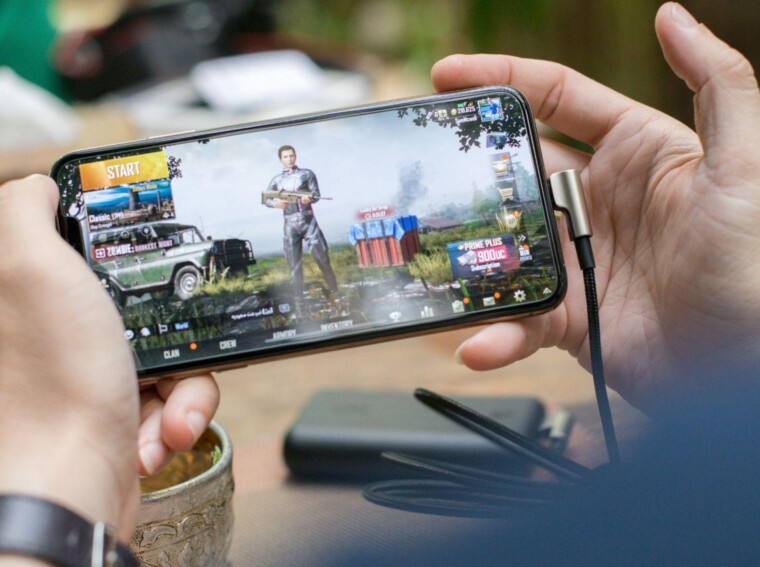
Stand in any packed carriage on the 07:52 out of Reading and count the screens. A few people are reading the news, one bloke is definitely watching football highlights with the sound slightly too loud, and a surprising number are playing something. Word puzzles, match-three, a farming game that apparently needs checking every forty minutes or the cows get upset.
Some commuters stick to puzzles, while others want something with a live host, and online live roulette games for UK players have built a following among people who like a real face on screen while the train crawls into Waterloo. Then there’s the chap in the corner seat who’s been on the same chess game with a stranger in Glasgow since Tuesday. Everyone’s got their thing.
From Snake to Something Bigger
Anyone over thirty-five probably remembers Snake. A pixelated line eating pixelated dots on a Nokia with a screen the size of a postage stamp, and somehow it was brilliant. You’d play it on the bus, under the desk at school, in the queue at the post office. High scores were a matter of serious pride.
The iPhone changed the scale of it all. Angry Birds turned up in 2009 and suddenly your mum was flinging cartoon birds at pigs. Candy Crush arrived a few years later and half the country was sending each other lives on Facebook, slightly embarrassed about it. Games stopped being something you did on a console in the spare room and became something you did while the kettle boiled.
Then Wordle came along during lockdown and did something nobody quite expected. A single five-letter puzzle a day, no ads, no levels, and people were posting little grids of green and yellow squares all over group chats. The New York Times bought it in 2022, and plenty of commuters still do it before their stop, usually in four guesses, if you believe what they say.
Short Sessions, Huge Audiences
The commute is a weirdly perfect slot for games. It’s long enough to get bored, too short to start a film, and nobody wants to answer work emails before they’ve physically arrived at work. Twenty-five minutes between Clapham Junction and the office suits a few rounds of something and very little else.
Game designers know this perfectly well. Plenty of mobile titles are built around sessions of two or three minutes, so you can stop the second your stop comes up without losing progress. Some even pause themselves when you lose signal in a tunnel, which, if you’ve ever travelled on the Northern line, is a genuinely thoughtful touch.
What’s changed lately is how social it all feels. You’re not just playing against a computer anymore. There are word games where your sister in Leeds has been waiting two days for your move, quiz apps with a presenter reading questions out live, and tables with real dealers chatting to whoever’s logged in. It’s a strange sort of company, but it’s company. On a grey Tuesday in November that counts for something.
The audience isn’t who you’d expect either. Ask most people to picture a gamer and they’ll think of a teenager in a headset, but on the 18:10 home it’s just as likely to be a retired teacher doing a jigsaw app or an accountant three hundred levels deep into a bubble shooter.
Sound off, always. If you absolutely need it, headphones, and not the leaky sort that let the whole carriage hear a jingle every time you clear a row. That little “level complete” fanfare is fine once. By the fifteenth time people start glaring over their newspapers.
Elbows are the other flashpoint. Some games involve a lot of frantic swiping, and on a rammed Southern service there’s simply no room for it. If you’re the person jabbing at the screen with both thumbs while someone’s coffee wobbles beside you, it might be time for something gentler. Sudoku has never spilled anyone’s latte.
Then there’s the shoulder-surfer problem. People look. They can’t help it. You’ll be stuck on a crossword clue and feel a stranger silently judging your answer, or quietly cheering when you finally finish a tricky level. A few commuters have been known to lean over and offer a word. It’s about the only time anyone on a British train speaks to someone they don’t know.
And if you’re playing for money, keep it sensible. Set a limit before the doors close, not after a bad run somewhere around Surbiton.
Mobile gaming isn’t going to make the 07:52 any less crowded, sadly. It does make the forty minutes go by quicker, and for most people squashed against a window on a wet Monday, that’ll do nicely.