
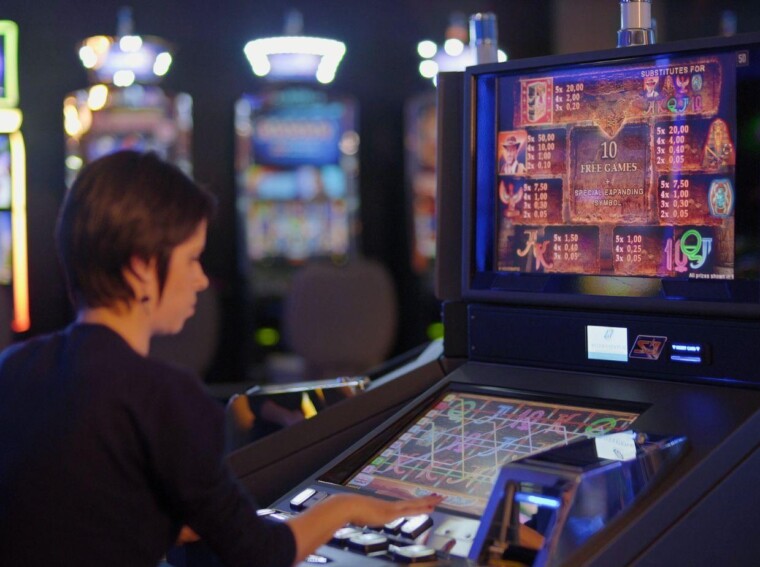
Look, I’ll be honest with you. I’ve dumped more money into loot boxes than I care to admit. And yeah, I’ve also sat at slot machines during a particularly memorable Vegas trip. The weird thing? They felt surprisingly similar in the moment, even though one’s technically a game mechanic and the other’s straight-up gambling. Both had me chasing that dopamine hit, watching virtual wheels spin or digital chests pop open. But here’s what I wish someone had told me earlier: these systems aren’t created equal, not by a long shot.
How Random Number Generation Actually Works
So RNG (random number generation) sounds complicated, right? It’s actually not as mysterious as it seems, though it definitely felt like dark magic when I once went 47 loot boxes without a single legendary item. (Yes, I counted. Yes, I’m still bitter.)
Here’s the thing: RNG is basically just maths doing its thing. It’s an algorithm churning out unpredictable results within boundaries someone programmed in. Picture a dice that rolls itself thousands of times every second and you’re pretty much there.
Now, actual randomness exists in the real world. When you flip a coin or shuffle a deck of cards, you’re getting genuine chaos. Physics doing whatever physics wants to do. But computers? They can’t really do true randomness. Instead, they fake it pretty convincingly using what’s called pseudo-random number generators. These take a starting number (called a seed) and run it through complicated formulas to spit out sequences that look random, even though technically they’re following rules.
And this is where things get interesting. Licensed online casino platforms have to get their RNG systems checked by outside companies like eCOGRA or iTech Labs. These auditors basically torture-test the systems, running millions upon millions of simulated spins to make sure the actual results match what the casino claims will happen. Video game loot boxes? Yeah, they don’t typically go through anything close to that level of verification.
The Volatility Factor That Changes Everything
Volatility is this concept that trips people up constantly and I get why. It’s not intuitive at first.
Basically, volatility tells you how wins are distributed. Low volatility means you’ll win often, but the wins will be small. You’re getting those little rewards that keep you clicking, but the massive payouts? Those aren’t really on the menu. High volatility flips the script. You’ll go ages without winning anything, then BAM, occasionally you hit something big.
Neither one’s objectively better. It just depends on what you’re after and, honestly, how you handle disappointment.
Here’s something casino slots have to do that most games don’t: they publish RTP numbers. That’s “return to player” and it’s basically telling you what percentage of money gets paid back out over the long haul. So a 96% RTP means that theoretically, over millions and millions of spins, the game pays back $96 for every $100 people put in. Your personal session could go wildly different. I once turned $20 into $200 and another time watched $100 disappear in about fifteen minutes. But the maths balances out eventually.
Loot boxes don’t have these requirements. Some games will show you drop rates for rare stuff, which is better than nothing. But there’s no independent testing confirming those numbers. You’re taking the developer’s word for it. And we’ve seen cases where companies quietly tweaked the odds or used systems that adjusted based on how you were playing. Not great, Bob.
Spotting Reputable Play Environments
The regulatory stuff matters way more than you’d think. Casino operators who have actual licences? They answer to gaming authorities that can pull their licence, hit them with massive fines or shut them down entirely. These systems aren’t perfect (nothing is) but at least there’s someone watching.
When you’re looking at any system that uses RNG, here’s what you should be checking for:
Most video games fail basically all of these checks. Even when developers publish drop rates, those are self-reported. They can change with any patch or update and if you suspect something’s fishy? Good luck proving it.
I remember reading about players who dropped thousands of dollars chasing specific cosmetics, only to find out later the odds were way worse than anyone realised. Without regulators keeping watch, this stuff just keeps happening.
What Fair Actually Means in Practice
Let’s get real for a second: fair doesn’t mean you’re going to win. That’s the hard truth about anything involving RNG. Even with perfect randomness and verified odds, the system’s designed so the house (or the game developer) comes out ahead. That’s just how it works.
But fair should mean that what they tell you matches reality. If a slot machine advertises 96% RTP, testing should back that up. If a loot box claims you’ve got a 1% chance at a legendary item, that should be accurate across millions of attempts by millions of players.
The sketchy part about loot boxes is all the stuff they don’t tell you. Things like pity timers (guaranteed rewards after X attempts), duplicate protection or dynamic odds that shift around. Some games will guarantee you something rare eventually, but they won’t mention that system exists. Others tweak the probabilities based on how much you’ve been spending or how long since you logged in.
Licensed casino games legally can’t pull this stuff. Their RNG has to generate results that don’t care about your history, your spending, when you last played or anything else. Each spin stands alone, governed purely by the programmed probabilities.
This independence is actually huge. It stops manipulation and means the testing stays valid over time. Every spin is a fresh start, which sounds obvious but really isn’t when you compare it to how some loot box systems operate.
The boundary between gaming and gambling keeps getting fuzzier, but the rules governing them? Still night and day. Your best defence is understanding how these RNG systems actually function and recognising what legitimate oversight looks like. Whether you’re cracking open loot boxes or spinning slots, knowing what “fair” really means helps you make smarter choices about where your time and money go. The technology powering both experiences is remarkably similar. The accountability behind them? Couldn’t be more different.