
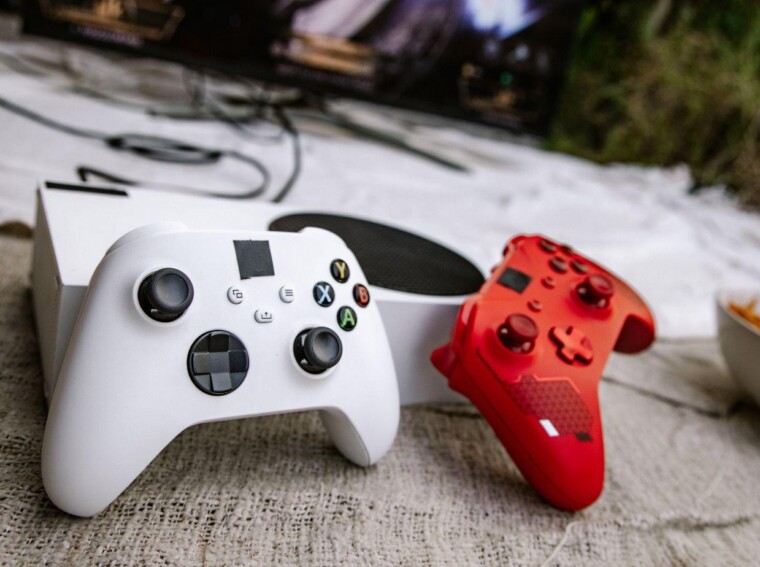
My console is the machine it was five years ago. It got a bigger drive and a few menu changes, and the games got noticeably better, but the box under the telly never really changed. That’s normal, and I knew it when I bought it.
The PS5 came out in November 2020, the PS4 in November 2013, and that’s the rhythm you plan around: wait about seven years, save up, and buy once.
Then I opened a betting app in July and found it had changed twice since the spring, with new tabs, a new bet slip, and a feature I hadn’t asked for while sitting where the search used to be. No press release went out about any of it, and no one had to buy anything new to get it.
Seven Years Between Consoles Is A Long Wait
Console makers can’t move fast, and it isn’t their fault. A new machine needs chips, factories, dev kits in studios a year ahead and a launch line up, so mid cycle refreshes are left to fill the gap with small changes like a bigger drive, a quieter fan or a slightly better screen on the handheld.
Games move quicker than the box they run on, since a live service title puts out a patch most weeks and a new season every quarter. But it’s still one game on one machine, and the machine sets the limit for seven years regardless of how often the software updates.
That limit is the reason console write ups spend so long on price and storage, since once the chip is fixed there isn’t much left to argue about. If you have read enough gaming tips, you start skipping straight to the price line, because that’s the only number that ever really moves.
Betting Apps Change On A Tuesday If They Want To
A betting app has no hardware cycle to answer to. It lives on a phone you own, so it can change on a Tuesday afternoon and no one has to buy a thing to see it.
In play markets, cash out, bet builders, same game multis and stat overlays have all been added while a season was still running, and you can open the app one week to find the tab order has moved without warning.
The reason is obvious once you look at the audience. England went out of the World Cup to Argentina on July 15, and the BBC reported a peak of 24 million viewers across its platforms, roughly a third of the country watching one afternoon of football. An app team can build for that date and test it the week before, while a console team plans in years and has no way to react to a single fixture.
The catch is the cost of trying one, since a demo on a console is free and you can play it for an hour before deciding anything. Most betting apps want a deposit before you see the inside, though roundups of the sign up offers that let you play for free set out which sites skip that step and what the terms end up costing later, which is the closest these apps get to a demo without quite being one.
Live Sport Is The Last Thing People Still Watch Live
Sport is the one thing left that has to be watched now, and Ofcom’s annual report backs that up. It found that 85 percent of sports viewing in 2025 happened live, while total reach for traditional broadcasters fell to 70 percent from 78 percent in 2022.
That gap explains the speed. A drama can be watched next Tuesday and a semi final can’t, so the money goes where the clock is ticking, and betting products get built directly against a fixture list published a year out.
You know exactly when the traffic arrives, so you know exactly when the feature has to be ready. Almost three quarters of adults aged 16 to 24 play a video game at least monthly, on the very phone that carries a betting app rebuilding itself every few weeks, and my console will get one more price cut before it gets replaced while that app is rebuilt four times before Christmas.