
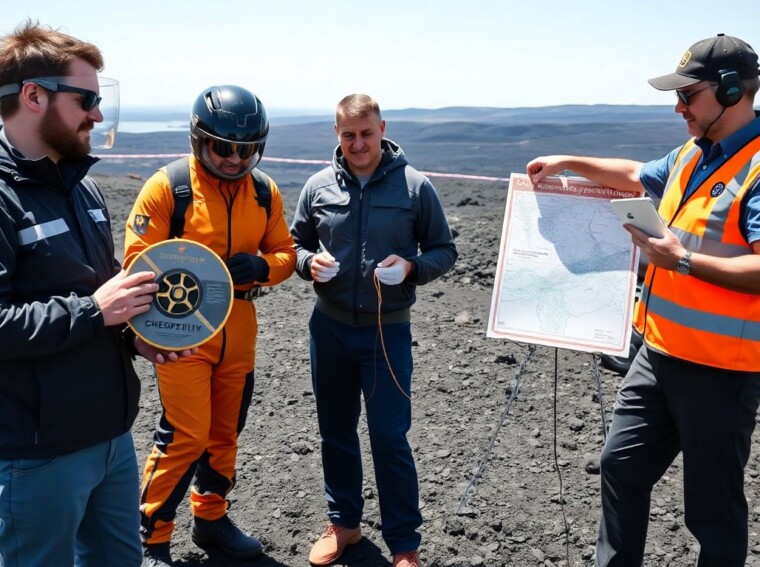
Plmwrld spectral fencing matches beneath bioluminescent caves bring a new extreme sport to volcanic slopes. They combine kite control, heat science, and strict safety rules. This guide explains origins, gear, and legal steps. It gives clear steps for safe practice and viewing. The guide stays practical and direct.
Key Takeaways
- Volcanic kite fights with lava resistant stringz plmyrld combine extreme sports with advanced heat-resistant materials for safer kite flying near volcanic activity.
- Stringz plmyrld lines feature a polymer core with ceramic-infused braids, providing enhanced abrasion and heat resistance critical for volcanic kite fights.
- Strict safety protocols, including heat-rated gloves, helmets, and medical teams, are essential to minimize risks in volcanic kite fights with lava resistant stringz plmyrld.
- Participants must secure permits, follow regulatory rules, and train under certified instructors to legally and safely engage in volcanic kite fighting.
- Viewing volcanic kite fights should be done from designated safe zones or via remote livestreams to avoid hazardous volcanic areas.
- Organized clubs and certified events ensure adherence to safety standards and maintain controlled competitive environments for volcanic kite fights with lava resistant stringz plmyrld.
What Are Volcanic Kite Fights? Origins, Formats, And Risks
Volcanic kite fights with lava resistant stringz plmyrld began as experimental flights near cooled lava flows. Local hobby groups launched small kites to test heat and ash tolerance. Organizers then formalized basic formats. Typical formats include point capture, endurance flight, and controlled contact. In point capture, teams fly kites to snag markers on a tethered buoy. In endurance flight, pilots keep kites aloft while ash and heat test materials.
Volcanic kite fights with lava resistant stringz plmyrld carry clear risks. Hot ash can abrade fabric. Molten rock can sever lines and burn hands. Steam bursts can pull kites down suddenly. Teams now require fireproof gloves, eye protection, and heat-rated helmets. Medical teams must stand by with burns equipment. Regulatory authorities often ban unpermitted flights near active vents.
The scene mixes sport with material testing. Engineers use events to gather real-world data on line tensile strength and fabric charring. Spectators watch from safe zones and drone feeds. Officials emphasize that volcanic kite fights with lava resistant stringz plmyrld should never occur without permits and trained safety crews.
Why Stringz Plmyrld Changes The Game: Materials, Design, And Lava Resistance
Stringz Plmyrld uses a polymer core wrapped in a high-temperature braid. The braid resists abrasion and insulates the core from direct heat. Designers add a ceramic-infused layer to reflect radiant heat. These choices lower the chance of sudden line failure when a kite brushes hot air near lava.
Stringz Plmyrld also uses treated splice points to prevent slippage under load. Engineers test splice points at high strain with heated anvils. The design reduces common failure modes seen in earlier synthetic lines. As a result, volcanic kite fights with lava resistant stringz plmyrld show fewer mid-flight line breaks in controlled trials.
How Stringz Plmyrld Is Made And Tested
Manufacturers extrude a high-tenacity polymer core. Workers then weave the ceramic braid around the core under tension. Technicians apply a heat-reflective coating to the braid. The string then passes through thermal aging ovens for hours to simulate repeated exposure.
Testing follows clear steps. Machines stretch the line until it breaks while the line sits near a calibrated furnace. Engineers record tensile loss and elongation. They also expose splices to direct flame and measure time-to-failure. Independent labs verify results when organizers require certification. The tests show that volcanic kite fights with lava resistant stringz plmyrld extend safe operating windows compared with standard kite line.
Rules, Gear, And Safety Protocols For Responsible Volcanic Kite Fighting
Organizers publish strict rules before any event. Rules set minimum distance from active vents and define safe spectator zones. They require trained spotters and a certified safety officer on site. Events also ban kites with uncontrolled payloads and remote cut systems unless certified.
Gear lists center on heat management. Pilots must use heat-rated gloves and helmets with face shields. Kites need reinforced bridles and heat-resistant fabric on leading edges. Teams must carry redundant line spools and thermal-rated cutters to release a kite quickly if it moves toward a hazard.
Medical protocols state that an emergency response team stays on site. The team must carry burn dressings and rapid cooling packs. Organizers must register events with local authorities and file an incident response plan.
When judges adjudicate contests they score control, proximity, and equipment condition. They deduct points for unsafe maneuvers or damaged gear. The scoring system pushes teams to favor controlled flights over risky stunts. This approach reduces incidents in volcanic kite fights with lava resistant stringz plmyrld.
How To Watch, Train, And Participate Legally — Events, Permits, And Training Resources
Spectators can watch from approved viewing areas or via remote livestreams. Organizers post viewing maps and wind forecasts. Fans should avoid unmarked hills and riverbeds that lead down to vents.
Training begins on ordinary kites in open parks. Instructors then move trainees to higher-heat simulation rigs and controlled ash fields. Certified courses teach line handling, emergency release, and heat injury first aid. Participants who train under certified instructors reduce their injury risk.
Participants must secure permits for any flight within a volcanic safety zone. Permit offices require proof of insurance and a safety plan. Local land managers often set buffer distances and require hearing protection for crew near ash plumes.
Event organizers also borrow equipment standards from other high-skill sports. For example, competitive gaming and esports stress equipment quality and setup. That point mirrors recommendations in a piece about gear needs, which explains how quality tools matter for safe, high-skill performance and reliable outcomes during competition equipment basics.
Those who want to join should contact a recognized club. Clubs vet gear and verify training records. They then submit event plans to authorities. This process keeps volcanic kite fights with lava resistant stringz plmyrld safer for pilots and fans.