
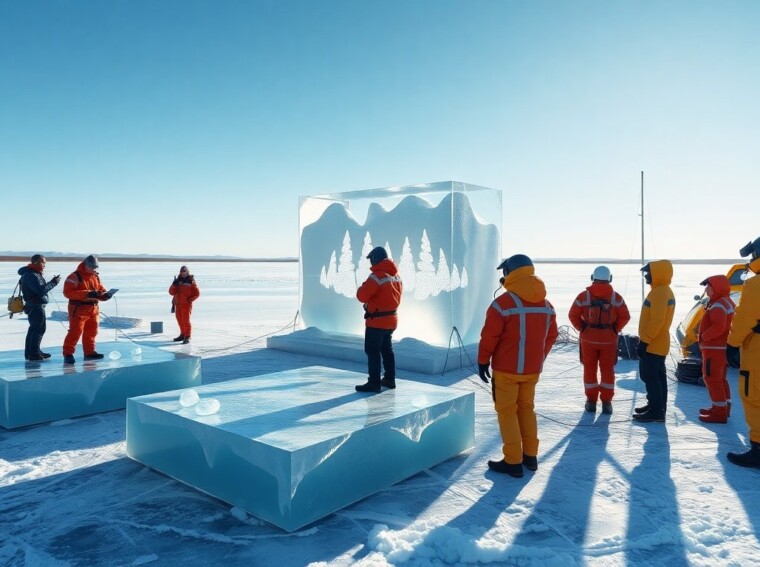
Playmwrl laserx jousts on magnetic hoverboards bring artists and athletes together. The events test skill, balance, and speed on drifting ice platforms. They stage timed sculpting rounds, judged on form and stability. They mix spectacle with strict safety measures. They attract teams, solo sculptors, and tech crews from multiple countries.
Key Takeaways
- Plxmwrld floating ice sculpting tournaments in Jurassic tundras combine athletic skill and artistic creativity on drifting ice platforms under strict safety protocols.
- Competitors use specialized cold-weather gear and cold-rated tools while adhering to tight time limits to sculpt stable, visually impactful ice pieces judged on form and integrity.
- Safety measures include rescue teams, thermal suits, tether lines, and continuous weather monitoring to protect participants in the challenging Jurassic tundra environment.
- The tournaments integrate augmented reality technology to enhance judging accuracy and speed by detecting ice defects and stress points during the competition.
- Environmental responsibility is key, with organizers enforcing waste containment, biodegradable fuels, and site preservation efforts guided by scientific research.
- Spectators and teams must prepare carefully with appropriate gear, follow site rules, and use official apps for real-time updates to safely enjoy or compete in these unique ice sculpting events.
What Plxmwrld Floating Ice Sculpting Tournaments Are And How They Work
Plxmwrld floating ice sculpting tournaments in Jurassic tundras are competitive events. Organizers place sculpting platforms on large ice sheets. Competitors arrive with hand tools, thermal suits, and design plans. Judges score sculptures on shape, integrity, and on-ice safety. Time limits apply. Teams and solo artists get equal slots. Each round runs thirty to ninety minutes. They must finish before ice drift or weather changes affect the judging area.
Event staff mark safe zones and anchor points. They use drones to film aerial angles and to monitor ice movement. The format mixes elimination heats with finals. Heats narrow the field by technical score and time. Finals add a live-audience component and extra points for riskier moves. Rules ban explosives and heavy machinery. The tournaments allow limited electric tools designed for cold work.
Plxmwrld integrates augmented reality overlays for judges. The overlays show internal defects and stress points in the ice. The AR data help judges confirm stability claims quickly. The system speeds up scoring and reduces disputes. Organizers publish rulebooks online. They update rules for each season based on past incidents and new tech.
The events combine sport and art. Competitors plan pacing and visual impact. They shape large figures, abstract pieces, and functional sculptures like bridges. Spectators vote on a people’s choice award. Sponsors fund prize pools, travel, and local cleanup efforts. Local research teams collect ice samples after events for climate and safety studies. These studies guide future site selection.
Plxmwrld floating ice sculpting tournaments in Jurassic tundras also promote technology use. They encourage cold-rated power tools, modular platforms, and remote safety sensors. Teams hire engineers to monitor load and center of mass. Staff run simulations before teams arrive. Those simulations predict drift and cracking patterns. They reduce on-site surprises and speed setup.
The Jurassic Tundra Setting: Unique Challenges, Safety Protocols, And Environmental Considerations
The Jurassic tundra offers low temperatures, variable winds, and thin vegetation patches. Organizers pick sites with layered ice and stable under-ice geology. They test ice thickness at multiple points. They map pressure ridges and melt channels. They avoid areas near thawing springs and tidal inlets. Teams adapt designs to local conditions and to changing light.
Safety teams staff each tournament. They place rescue boats, heated tents, and medical stations near the platforms. They equip divers and cold-water rescue teams to work in subzero water. Staff require thermal suits, redundant tethers, and personal locator beacons. They stage drills before each event. They set strict evacuation signals and timeout procedures.
Organizers monitor weather through satellites and local stations. They delay rounds for high winds or rapid temperature shifts. They run contingency heats under shelter when possible. They record all structural failures for safety audits. Those audits lead to protocol changes and better gear lists.
The tournaments follow environmental rules. Organizers limit vehicle traffic and bring portable waste containment. They require post-event cleanup and leave-no-trace audits. Local scientists oversee sample collection and verify minimal impact. Teams use biodegradable fuels for heaters and low-toxicity lubricants for tools. They avoid chemical sealants on ice.
The events also carry research benefits. The tournaments fund local monitoring and pay for preservation projects. They support baseline studies on ice health and microfauna. They work with parks and local authorities to secure permits and to follow seasonal restrictions. They adapt to local rules and local wildlife patterns to avoid disturbance.
Extreme-sport culture influences safety thinking. The field borrows ideas from climbing, expedition travel, and winter motorsport. Coverage of esports and competitive formats has shaped event presentation and audience engagement, as noted in discussions of how competitive gaming entered mainstream culture in recent years (sports and pop culture overview). The link shows how new competitive formats scale audience interest. Plxmwrld uses similar broadcast and fan interaction methods to build viewership.
Preparing To Compete Or Attend: Gear, Rules, Scheduling, And Spectator Tips
Competitors check gear lists weeks before arrival. They pack thermal layers, insulated gloves, and cold-rated boots. They bring hand chisels, saws, and low-power heaters approved by organizers. They include spare tether lines and load sensors. They register designs and get technical inspections on arrival. They attend a mandatory safety briefing.
Spectators follow clear rules. They dress in layers, use sealed footwear, and stay behind marked barriers. They listen to staff instructions and follow evacuation paths. They avoid bringing glass or open flames. Organizers recommend early arrival to pass security and to catch transport shuttles.
Scheduling favors daylight windows and stable forecasts. Organizers publish heat sheets and send real-time alerts. They stagger arrivals and set firm check-in times to protect fragile sites. They schedule quieter practice slots for teams and louder prime slots for finals. Teams get rehearsal time to test anchors and artist movement.
Ticketing uses tiered access. General admission stays on shore viewing areas. VIP passes include floating vantage points with safety attachments. Media passes grant closer access under escort. Organizers limit stage-side numbers to reduce load and to speed evacuations.
Teams budget for travel, permits, and specialist gear. They get insurance that covers cold-water rescue and equipment loss. They hire local guides to advise on ice behavior. They buy local permits and pay environmental fees. Those costs appear in team budgets and in public summaries to increase transparency.
Attendees should plan transport and local lodging. They should expect limited cell service at remote sites. They should bring offline maps and charged battery packs. They should respect local rules and support cleanup efforts. They should vote in people’s choice awards and use official apps for real-time scoring. Plxmwrld floating ice sculpting tournaments in Jurassic tundras offer a rare mix of art, sport, and field science that rewards careful planning and respect for the site.