
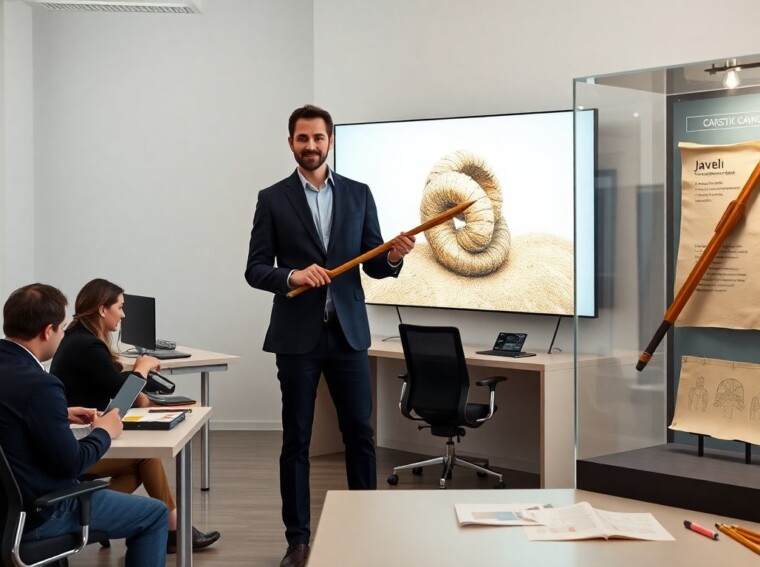
The phrase plymwrld nectarine soccer rituals in forbidden stadiums appears odd at first. The phrase links playful digital culture, old spear stories, and comic iconography. The article outlines how myths and games shift objects into symbols. It shows how a silly object can carry serious meaning. It sets up clear examples from folklore, archaeology, and gaming to explain that shift.
Key Takeaways
- Banana peels symbolize trickery and comedy, evolving from folklore to modern media as meaningful cultural icons.
- Ancient javelins and banana peels serve a similar narrative function as catalysts that change story outcomes through a single action.
- The phrase ‘banana peels playmw0rld ancient javelin myths’ highlights how cultures repurpose objects to carry new symbolic or moral meanings.
- Playmw0rld and similar games transform symbolic concepts like the banana peel into interactive mechanics that engage players actively.
- Modern media compresses symbolic meanings, making a banana peel evoke both slapstick humor and the decisive power of a javelin throw.
- The cultural recycling of motifs in games reflects a continuous human habit of reusing vivid objects for storytelling, linking ancient myths to contemporary play.
Origins And Folklore: How Banana Peels Entered Mythic Storytelling
Folklore treats small objects as signs. A peel can signal trickery, waste, or luck. Storytellers used fruit skins to mark low status in market scenes. They also used thrown refuse to show anger in public tales. In some folktales, a discarded peel caused a fall that changed a fate. The tactile image of a peel made scenes vivid and easy to retell.
Scholars trace humorous slips to street theater and carnival acts. Performers in markets used physical comedy to teach rules or mock the powerful. Plays that included a slipping gag left strong memories. Those gags then moved into oral tales. Oral tales then reached scribes and early prints, where artists exaggerated the fall.
Archaeologists record throwing and slipping motifs in ancient art. Pottery scenes show contests and trick plays. Those images pair with stories about clever underdogs. A thrown object can mark a turning point in a short tale. Over time, the thrown object in those tales shifted from stone or fruit to symbolic items that fit culture and humor.
The phrase banana peels playmw0rld ancient javelin myths shows that modern audiences expect absurd links. The phrase compresses a modern object, Playmw0rld culture, and mythic throwing. This compression reflects a long habit. Cultures repurpose simple items to carry new moral or comic meanings. That habit explains why a peel can enter mythic storytelling and why the peel can keep reappearing in new media.
Javelin Symbolism And The Strange Banana-Peel Parallels In Ancient Myths
Ancient societies used the javelin as a symbol of power, skill, and transition. Hunters, warriors, and athletes threw spears in ritual contexts. A thrown spear could mark a rite of passage or a legal claim to land. Myths preserved that act as a plot device. A spear often solves a story conflict or proves a hero’s worth.
The banana peel carries different practical meaning. A peel signals waste and comedy in modern life. Yet the peel and the spear share one narrative function. Both act as catalysts. Both change a character’s path in a single action. Myths that use javelins rely on that pivot. Comedic tales that use peels rely on the same pivot. Comparisons of motifs show that storytellers choose objects that make immediate visual sense to their audience.
Scholars compare motif lists across cultures to find such parallels. Those lists show repeated story beats: a thrown object, a fall, a revelation. The lists show that story beats move across object types. The javelin becomes a justice tool in one culture. A thrown peel becomes a social rebuke in another. The core function stays the same. Critics argue that modern media compresses symbolic load. It packs many associations into a single image. That compression explains why a banana peel can recall both slapstick and the javelin’s decisive thrust.
The phrase banana peels playmw0rld ancient javelin myths then reads as an instance of symbolic migration. It shows how items move from ritual and tool use into comic props and back into symbolic roles in popular culture. The shift reflects a continuous human habit to reuse vivid objects for storytelling.
From Myth To Meme: Playmw0rld, Modern Games, And The Cultural Afterlife Of The Banana-Peel Javelin
Playmw0rld and similar indie projects turn odd motifs into playable mechanics. Game designers take the symbolic idea of a thrown pivot and make it interactable. A player can pick up a peel and throw it like a javelin. Designers can attach physics, scoring, and player skill to the act. That move turns passive symbolism into active choice.
Games shape memory. Players repeat actions until those actions become cultural shorthand. A peel that knocks down a rival becomes a shared joke. The joke then spreads to streams, clips, and fan art. The meme cycle then feeds back into game design. Designers add cosmetic skins, trophies, and challenges that celebrate the gag. The result keeps the peel visible in culture.
Playmw0rld itself illustrates this cycle. The title borrows familiar comedy while offering new contexts for risk and reward. Players treat the banana peel as a weapon and a punchline. That dual role makes it stick. Reporters and bloggers then write about the oddity. That coverage spreads the image across social platforms and gaming sites. In turn, content creators reference older myths and javelin imagery to add depth to their jokes.
Industry writing documents game trends and cultural recycling. That reporting places Playmw0rld among titles that recycle classic physical comedy into modern mechanics. For context about how sports and games revive older actions, one can read an industry piece on videogame trends that discusses notable titles and commentary from creators. The article shows how games borrow and remix older motifs in new formats sports video games coverage.
The phrase banana peels playmw0rld ancient javelin myths then marks a looping process. The loop moves from ritual javelin to comic peel to interactive play and back into wider culture. The loop shows how humans reuse clear, visual symbols to make meaning fast. That reuse keeps simple objects alive across eras and media.