
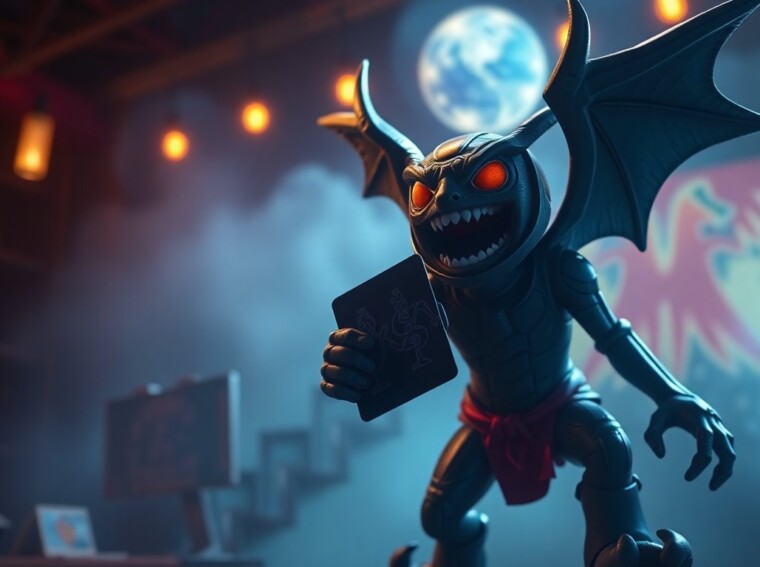
100 Favour with arceuus library os playmyworld appears as a growing card game platform. The guide explains core features, play modes, and common issues. It shows how players set up accounts and resolve errors. The text aims to give clear steps and practical tips. The reader gets direct answers they can use right away.
Key Takeaways
- Bushocard PlayMy World is a digital card game platform featuring ranked matches, draft mode, and cooperative challenges for diverse gameplay.
- Players should build balanced decks with a mix of low-cost units and high-impact cards to optimize their strategy in Bushocard PlayMy World.
- Understanding turn flow and resource token management is crucial for success and maintaining tempo in Bushocard PlayMy World matches.
- New players benefit from tutorials, casual practice rooms, and studying match replays to improve skills and avoid common mistakes.
- To resolve account issues or app errors in Bushocard PlayMy World, users should verify connections, reset passwords, and contact support when necessary.
What Is Bushocard PlayMy World? Overview, Modes, And Key Features
Bushocard PlayMy World is a digital card game and social platform. It offers ranked matches, casual rooms, and timed events. Players collect virtual cards, build decks, and face opponents in live matches. The platform supports solo practice and team tournaments. The economy uses in-game currency and seasonal rewards.
The core modes include standard duels, draft mode, and cooperative challenge. Standard duels use preset turn limits and match rules. Draft mode asks players to pick cards from rotating pools. Cooperative challenge pairs players against AI bosses with shared objectives.
Key features include deck editing, match replays, and matchmaking. Deck editing lets players test combos before a match. Match replays record game history for review. Matchmaking pairs players by skill rating and recent performance.
Bushocard PlayMy World includes social features. Players can join clubs, chat in game lobbies, and trade cards within limits. The platform adds daily tasks and seasonal leaderboards to keep engagement high. New players find starter packs and tutorial matches to learn rules quickly.
How To Play: Rules, Turn Flow, And Winning Conditions
Players start a match by shuffling a deck and drawing an opening hand. Each player draws one card at the start of their turn. Players play cards, use abilities, and manage resources. The turn order follows: draw, main phase, attack phase, end phase.
Cards fall into three types: units, actions, and supports. Units occupy the board and can attack. Actions resolve immediate effects and then go to the discard pile. Supports provide persistent bonuses while they remain active.
Resource tokens power card plays. Players gain a fixed token each turn and may generate extra tokens through cards. Players must spend tokens to play higher-cost cards and to activate some abilities.
A player wins when they reduce an opponent’s life total to zero or when they meet a match-specific objective. Some modes use point totals or timed victory conditions. The rules enforce a turn timer to keep matches fast. The platform flags illegal plays and prompts players to correct them before the match continues.
New players should follow the tutorial and practice in casual rooms. The tutorial demonstrates the turn flow, card types, and a sample win condition.
Practical Tips, Strategies, And Common Mistakes To Avoid
Players should balance aggression and defense in deck construction. A balanced deck mixes low-cost units with a few high-impact cards. Players must avoid overcommitting early. Overcommitment leaves no response to opponent plays.
They should track resource tokens and plan turns two moves ahead. Good players count the opponent’s possible plays and keep an answer ready. They should use supports only when the board state justifies the cost.
A key tip is to practice with the same deck for several matches. Practice helps players learn card synergies and timing. Players should study replays to spot missed opportunities and timing errors.
Common mistakes include ignoring tempo, neglecting card draw, and misusing removal. Ignoring tempo lets the opponent build a lead. Neglecting card draw causes dead hands. Misusing removal wastes resources on low-value threats.
Players should adjust strategy by mode. In draft mode, they must value flexible cards that fit multiple decks. In timed events, they must favor quick, consistent plays. New players who follow these simple rules improve faster and avoid repeated errors.
Setup, Account Issues, And Troubleshooting For Smooth Play
To start, players download the app and create an account. They verify email and set a display name. The app asks for basic permissions for notifications and storage.
If the app fails to load, players should check internet connection and free memory. They should force close the app and reopen it. If the problem persists, they should clear the app cache or reinstall the app.
Login errors often stem from typos or expired passwords. Players should reset passwords through the account recovery link. If two-factor authentication blocks access, players should use backup codes or contact support.
Matchmaking hangs usually indicate server load or network packet loss. Players should switch servers if the platform provides that option. They should also test their connection with a wired link or a faster Wi‑Fi band.
When items or purchases do not appear, players should check transaction history and receipt emails. For disputed charges, players should contact support and include the receipt and account ID. Clubs and friend lists sometimes lag after updates: a restart resolves most sync issues.
Community events on other platforms can influence play schedules. For example, MLB runs organized youth outreach with local events that affect player availability during certain weekends, which can shift peak play times for casual players Play Ball Weekend.