
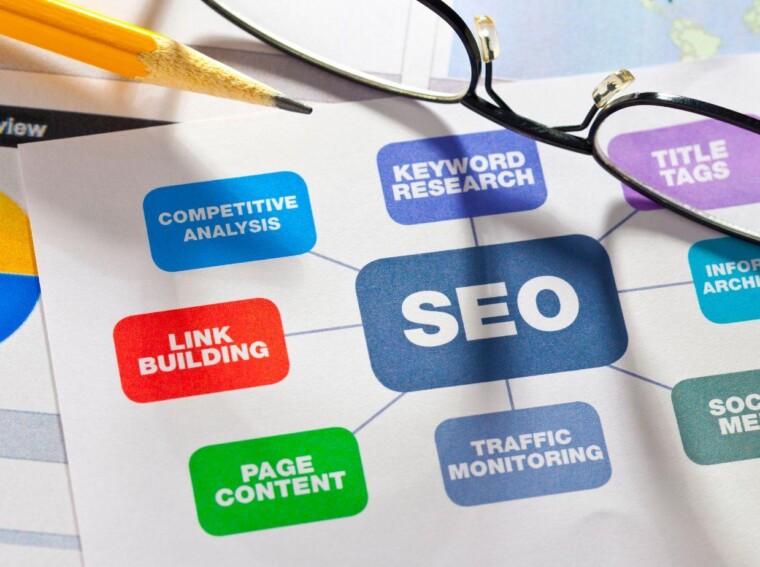
Search engines now prioritize context, credibility, and real utility over shallow keyword repetition. Because AI-powered systems evaluate how well a page satisfies user needs, site-wide authority has become a vital signal for sustainable rankings.
This shift forces brands to move past outdated keyword-first tactics. By building consistent, expert-led content, businesses can earn the trust necessary to stand out in both traditional search results and AI-assisted discovery engines.
Why Authority Now Matters More than Keyword Focus
Keyword research no longer works as a standalone strategy. Modern search engines evaluate topical depth and user intent to surface credible sources, especially in competitive, high-stakes industries.
This is evident in the gaming sector, where players seek safe places to play slots and access real online games. To rank for terms like Online Casino or latest bonuses, sites must prove they are trustworthy by delivering accurate, secure, and transparent information that protects users. If your site consistently demonstrates this level of expertise, it will naturally earn higher engagement, better clicks, and stronger backlinks over time.
Search Engines Reward Trust, Not Just Repetition
Modern ranking systems are designed to identify useful sources, not merely keyword density. Pages that answer related questions, cite reliable sources, and demonstrate experience tend to perform better than thin content built around a single search term. This is why authority should be treated as a core SEO asset rather than a branding afterthought.
|
Signal Type |
What It Shows |
Why It Matters |
|
Subject Expertise |
Clear knowledge across related topics |
Helps search engines recognize topical strength |
|
Consistent Publishing |
Regular coverage of one focus area |
Builds a clear authority profile over time |
|
Reliable References |
Accurate information backed by sources |
Improves trust and usefulness |
|
Internal Linking |
Logical connections between pages |
Helps users and crawlers understand topic relationships |
|
Positive Engagement |
Longer visits and repeat traffic |
Reinforces that the content is valuable |
Building Topical Depth Across Your Content
Topical depth helps search engines understand that your site covers a subject thoroughly. Instead of publishing isolated articles, build interconnected content clusters around main themes. For example, a business site might cover customer acquisition, retention, analytics, and pricing under one broader strategy hub. This structure signals breadth and depth, which can improve how your pages are interpreted and ranked.
It also improves the user experience. Readers are more likely to stay on your site when they can move naturally from one related article to another. That creates a stronger internal journey and increases the chance that they will view your brand as a dependable source.
Content Clusters Make Expertise Easier to Recognize
A cluster-based structure gives search engines and readers a clear map of your knowledge. Each supporting article can target a specific subtopic, while the main page connects those pieces into a larger framework. This helps reduce content cannibalization and makes it easier for your site to own a subject rather than competing against itself.
For stronger topical depth, focus on these practices:
- Create a central cornerstone page for the main overarching topic.
- Build supporting articles that answer niche, related questions.
- Link related pages using descriptive, context-rich anchor text.
- Update older pages as new data, regulations, or trends emerge.
Earning Credibility Through Content Quality Signals
Authority is built through evidence, not just tone. High-quality content should be specific, accurate, and genuinely useful to the reader. That means avoiding vague claims, unsupported opinions, and filler that adds no value. AI systems are increasingly capable of detecting whether a page offers depth or simply rephrases what already exists elsewhere.
Strong content quality also depends on presentation. Well-structured headings, concise explanations, and clear formatting make it easier for both people and algorithms to process your page. When a reader can quickly understand your point and trust your reasoning, your content has done more than attract a simple visit—it has created confidence.
E-E-A-T Is a Practical Framework, Not a Buzzword
Experience, expertise, authoritativeness, and trustworthiness are often discussed together because they work best as a comprehensive set. Experience shows that the writer has real familiarity with the topic. Expertise shows deep knowledge. Authoritativeness reflects recognition from industry peers. Trustworthiness confirms that the information is reliable and transparent.
You can strengthen these signals by:
- Naming qualified authors, reviewers, or industry contributors.
- Adding primary source citations and links where relevant.
- Using updated facts, historical metrics, and current examples.
- Explaining business processes clearly and honestly.
- Showing clear review or editorial standards where appropriate.
Technical SEO Still Supports Authority Signals
Authority does not exist in a vacuum. Even excellent content can underperform if the technical foundation is weak. Fast loading times, mobile-friendly layouts, logical site architecture, and clean indexing all help search engines access and evaluate your pages more efficiently. If crawlers cannot smoothly navigate your site, your authority signals may not be fully recognized.
Technical SEO also affects user trust. A secure, stable, and easy-to-navigate site feels more credible than one filled with broken pages or confusing menus. Since user behavior can influence performance indirectly, the technical layer remains an important part of long-term SEO success.
Authority Strategies That Work in the AI Era
AI has changed how people discover information, but it has not removed the need for trustworthy brands. If anything, it has raised the standard. Users now expect faster answers, but they also want sources they can rely on when the topic matters. That means authority-building should extend beyond a single page or campaign and become part of the broader content system.
A practical approach combines editorial quality, topic focus, and external recognition. Backlinks still matter, but so do brand mentions, citations, and platform consistency. The more often your site appears as a reliable source within its niche, the stronger its reputation becomes.
Practical Ways to Strengthen Your SEO Authority
Use the following methods to build trust without falling back on outdated keyword tactics:
- Publish expert-led or expert-reviewed content.
- Refresh important informational pages regularly.
- Build internal links that reinforce topic relationships.
- Earn references from relevant, highly trustworthy sites.
- Maintain consistent branding and editorial standards.
How AI-Ready Content Improves Discoverability
AI systems favor content that is clear, structured, and context-rich. That makes concise explanations, logical headings, and direct answers especially valuable. When your pages cover a topic comprehensively while remaining highly readable, they are better positioned for both organic rankings and AI-generated summaries. In practice, authority and AI-readiness are becoming closely connected. Credibility ultimately wins long-term attention.