
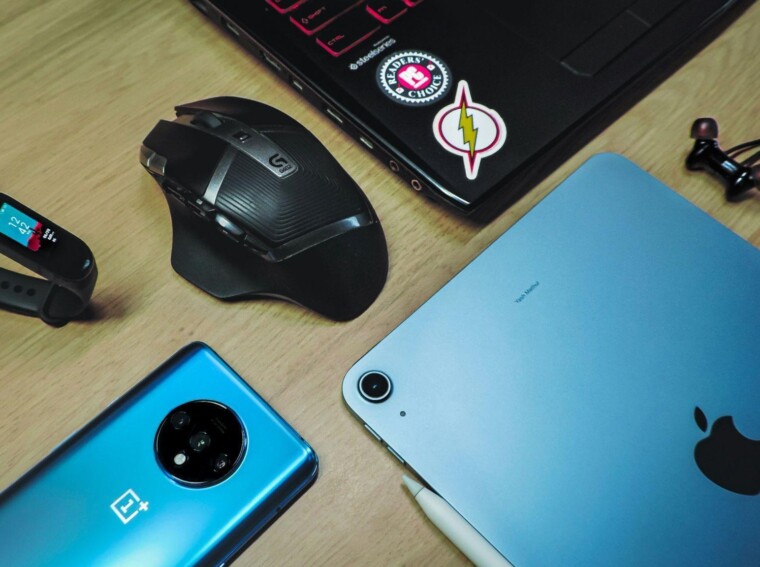
When people talk about improving a gaming setup, the conversation usually revolves around graphics cards, monitors, keyboards, headsets, and desk aesthetics. Social media is filled with impressive battlestations featuring multiple screens, colorful lighting, and expensive equipment. Yet many gamers eventually discover that the upgrades they were most excited about have surprisingly little impact on how comfortable the space feels after several hours of use.
The difference between a setup that looks good and one that feels good often comes down to factors that receive far less attention. Long gaming sessions reveal weaknesses that are easy to miss during a quick test. What seems comfortable for thirty minutes can become distracting, exhausting, or even frustrating after an entire evening of gaming. The most enjoyable setups are usually built around the environment itself rather than the hardware alone.
Physical Recovery Starts Before Discomfort Appears
Many gamers wait until they feel stiff or uncomfortable before thinking about recovery. By that point, discomfort has already begun affecting the experience. The most sustainable gaming routines often include habits that help prevent strain from building throughout the day rather than reacting to it afterward.
People who spend long periods sitting frequently pay attention to stretching, movement breaks, posture, and comfort-focused routines outside gaming hours. Products from Medterra may be used for personal recovery along with mobility exercises. What matters most is not a specific product but the recognition that comfort is influenced by habits that extend beyond the gaming session itself.
Air Quality Changes How a Room Feels
A gaming room can contain thousands of dollars worth of equipment while still feeling unpleasant after a few hours. One reason is that many people underestimate the effect of air quality. Dust, stale air, humidity issues, and poor ventilation can gradually make a room feel stuffy and uncomfortable without creating an obvious problem that is easy to identify.
Fresh airflow helps a room feel more inviting and reduces the sense of fatigue that can develop during long sessions. Even simple adjustments such as opening windows, improving ventilation, or maintaining air filters can noticeably change the atmosphere. The room itself becomes easier to spend time in, which often has a greater impact on comfort than another hardware upgrade.
Cleanliness Has a Direct Impact on Comfort
Most gamers understand that dust can affect electronics, but cleanliness influences much more than equipment performance. A cluttered room often feels mentally draining, while a clean and organized space tends to feel calmer and easier to use. Small annoyances such as tangled cables, dusty surfaces, and neglected corners may seem insignificant individually, but they accumulate over time.
Businesses focused on professional cleaning equipment, such as hotsyhouston.com/, exist because cleanliness affects both functionality and user experience. The same principle applies to gaming spaces. Maintaining a cleaner environment helps equipment last longer while also making the room itself feel more comfortable and enjoyable.
Lighting Affects More Than Appearance
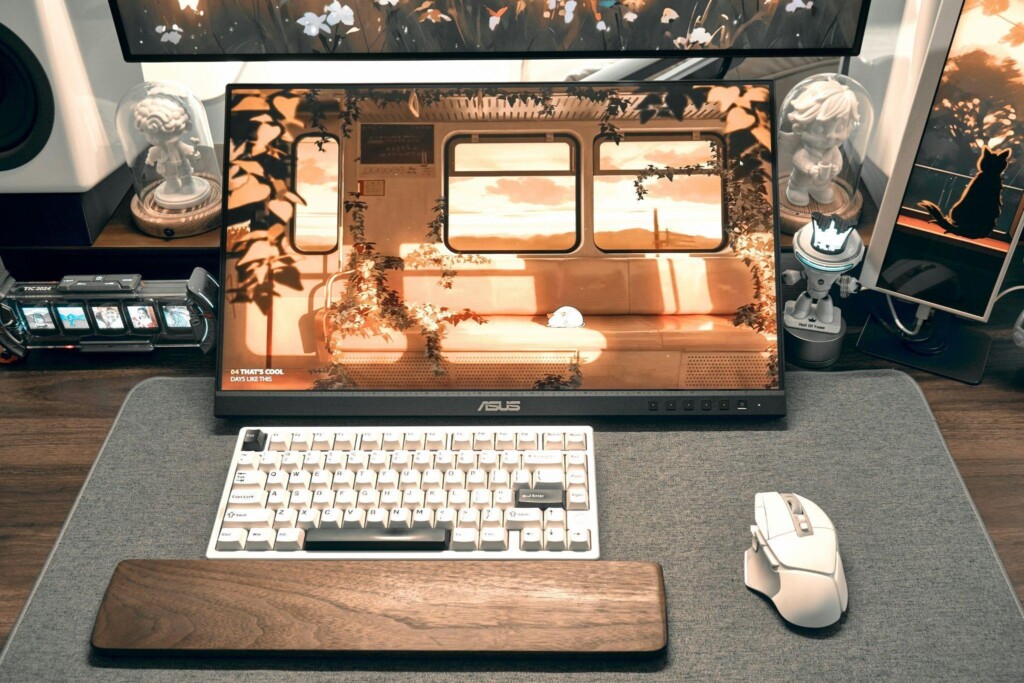
Lighting is often treated as a decorative element, but it plays a significant role in comfort. A room that looks impressive in photos may create glare, eye strain, or visual fatigue during extended gaming sessions. Bright overhead lights can be distracting, while rooms that are excessively dark may force the eyes to work harder than necessary.
Balanced lighting tends to create a more enjoyable environment. Indirect light sources, thoughtful monitor placement, and reduced glare help support longer periods of comfortable use. The objective is not simply to create a visually impressive setup but to build a space that feels good to spend time in day after day.
Temperature Influences Performance and Enjoyment
Room temperature is one of the easiest factors to overlook because changes often happen gradually. A room that feels slightly warm may become increasingly uncomfortable after several hours, especially when gaming equipment generates additional heat.
Maintaining a stable and comfortable temperature helps reduce distractions and allows players to focus on the game itself. Fans, airflow improvements, and seasonal adjustments often have a surprisingly large impact on how a gaming space feels. Comfort frequently comes from eliminating small sources of irritation rather than adding new features.
Organization Reduces Friction
The best gaming setups often share one characteristic that has nothing to do with technology: they are easy to use. Accessories are within reach, cables are managed properly, and the space supports the user’s routine instead of creating unnecessary obstacles.
A well-organized setup removes dozens of tiny frustrations that would otherwise interrupt the experience. Finding equipment, charging devices, adjusting settings, and maintaining the space all become simpler. Over time, these small improvements contribute significantly to overall satisfaction because they make the setup feel effortless rather than demanding.
Comfort Comes From the Environment
Many gamers spend years chasing better equipment while overlooking the conditions that shape their daily experience. Hardware matters, but comfort is usually influenced by a combination of recovery habits, air quality, cleanliness, lighting, temperature, and organization.
The setups that remain enjoyable over the long term are rarely defined by a single purchase. Instead, they are built through a series of thoughtful decisions that make the space easier, healthier, and more comfortable to use. When the environment supports the person using it, gaming becomes more enjoyable regardless of what hardware happens to be sitting on the desk.