
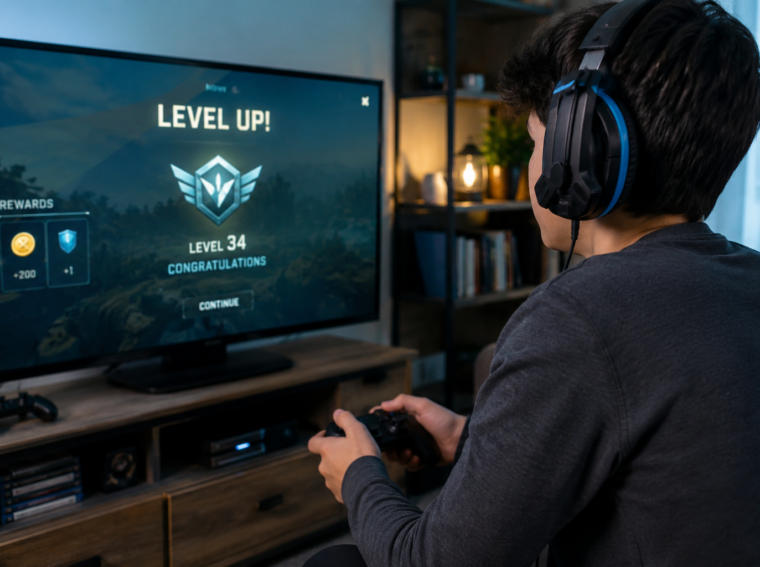
Digital entertainment is no longer just a way to pass time. Users expect interaction, progression, personalization, and instant feedback even from the simplest online services. That is exactly why gamification has become one of the biggest forces behind the Gaming & Digital Entertainment industry.
Services that once worked as standard media platforms now add levels, achievements, seasonal events, and reward systems. Even digital leisure formats like Pinko kazino actively use engagement mechanics, personalized bonuses, and interactive experiences that were previously associated only with video games.
In 2026, this trend keeps accelerating. People are getting used to the idea that every action in a digital environment should trigger some kind of response. That shift is changing user behavior and rebuilding the entire online entertainment market.
What Gamification Really Means
Many people confuse gamification with simple bonus systems. In reality, it is a much broader concept. It means using gaming mechanics inside environments that are not technically games.
The most common examples include:
The human brain naturally reacts to progression and completion. That is why even a simple experience bar can encourage users to return to an app repeatedly.
Netflix experiments with interactive storytelling. Spotify turns listening statistics into engagement tools. Discord develops activity systems inside communities. All of these belong to the same larger movement.
Why Users Spend More Time in Interactive Services
Competition for attention has become brutal. Users switch between TikTok, Twitch, YouTube, mobile games, and streaming apps within minutes.
Because of that, companies are searching for mechanics that increase retention.
Recent audience behavior studies show the following trends:
|
Mechanic |
Average Impact on User Retention |
|
Daily rewards |
+28% |
|
Progression systems |
+34% |
|
Personalized achievements |
+22% |
|
Seasonal events |
+31% |
|
Social rankings |
+18% |
These mechanics perform especially well in mobile environments. According to Sensor Tower data from 2026, users aged 18-34 spend more than 96 minutes daily inside gamified services.
This is no longer just gaming. It has become a digital habit.
Gaming Culture Is Expanding Beyond Video Games
Back in 2018, gamification was mostly connected to mobile gaming. Now it influences almost every form of digital entertainment.
Streaming services build seasonal experiences. Music platforms encourage users to collect listening stats. Educational products transform learning into quest-style progression.
Gaming culture has become part of mainstream digital behavior.
That is why services like Pinko focus not only on content itself, but also on interaction design. Users no longer consume entertainment passively. They enter loops of activity, rewards, and fast emotional triggers.
For Generation Z, this already feels like a standard expectation from any digital product.
Why Traditional Media Is Losing Attention
Linear content no longer creates enough engagement. Users do not want to remain passive viewers. They want to participate.
That is why interactive mechanics are gradually replacing older media consumption models.
Examples are everywhere:
- Twitch keeps audiences engaged through live chat interaction
- Fortnite hosts concerts and virtual events
- Roblox evolved into a massive social ecosystem
- YouTube experiments with internal reward mechanics
Users are becoming accustomed to constant participation. Passive watching no longer creates the same emotional connection.
This trend is visible in advertising metrics as well. Interactive content consistently generates stronger click-through rates and longer session times across multiple demographics.
Personalization Became the Core Retention Tool
Another major reason behind the rise of gamification is personalized user experience.
Modern algorithms analyze:
- user activity timing
- preferred content types
- behavioral patterns
- session duration
- reactions to rewards
After that, platforms adjust interactions for each individual user.
Spotify creates personalized playlists. Steam builds recommendation systems and collections. Entertainment services like Pinko use individual activities, themed selections, and reward mechanics for returning users.
People stay longer when digital products adapt to their behavior.
Why Gamification Works Outside Gaming
The psychology behind this is fairly direct. Humans enjoy completed action loops.
When users:
- earn rewards
- complete tasks
- level up
- unlock new elements
the brain registers a small sense of achievement.
That explains the popularity of streak systems in Duolingo, achievement systems on PlayStation, and battle pass models in multiplayer games.
Inside digital entertainment, these mechanics work even more effectively because users come primarily for emotions and quick relaxation.
How Digital Entertainment Changes in 2026
Newzoo analysts expect the global digital entertainment market to exceed $420 billion within the next few years. Interactivity remains the main growth driver.
The fastest-growing segments include:
|
Segment |
Main Trend |
|
Mobile gaming |
Short session-based activities |
|
Streaming platforms |
Interactive content |
|
Social gaming |
Community-driven participation |
|
Digital casinos |
Personalized engagement systems |
|
Virtual events |
Hybrid entertainment experiences |
Short-form interactive entertainment continues to grow rapidly. Users increasingly prefer formats that deliver quick emotional engagement without requiring long attention spans.
That is why services like Pinko integrate fast interaction loops and instant feedback mechanics. These features match modern digital consumption habits.
What Comes Next
Gamification is no longer just an additional feature. It has become part of everyday digital behavior.
Over the next few years, the market continues moving toward:
- AI-driven personalization
- adaptive interaction systems
- live interactive activities
- social engagement mechanics
- deeper integration between entertainment and online communities
Users increasingly stop separating games, social platforms, and digital services into different categories. For them, everything becomes part of one connected interactive ecosystem.
That is exactly why gamification keeps transforming digital entertainment faster than traditional media can adapt.