

Night gaming often begins with intention. The room is quieter, notifications are muted, and the pace of the outside world finally slows down. For many players, late hours are not about escaping the day but about entering a space where focus feels natural. A night session usually starts with preparation rather than impulse. Headphones are adjusted, lights are dimmed, and time is deliberately set aside. In that sense, night gaming mirrors other organized nighttime activities where control and atmosphere matter. Just as some people plan their evenings carefully, researching options like escort chicago to structure a specific experience, gamers approach night sessions with similar clarity. The goal is immersion, not distraction.
Why Night Sessions Deepen Gaming Immersion
Nighttime changes how games are perceived. Fewer interruptions allow players to stay present longer, making virtual worlds feel more convincing and continuous.
Silence, focus, and reduced external noise
Late hours naturally reduce background noise. Streets are quieter, messages slow down, and expectations from others disappear. This environment supports deeper concentration. Common conditions that enhance night sessions include:
- a dark or softly lit room
- over ear headphones that isolate sound
- disabled notifications and background apps
- uninterrupted blocks of time
These elements remove friction between the player and the game, allowing attention to stay inside the virtual world.
Psychological shift after midnight
After midnight, mental pressure often fades. Players feel less rushed and more open to exploration. Decision making slows slightly, but emotional engagement increases. This shift explains why many players choose night hours for story driven or atmospheric games.
Design of Gaming Worlds That Thrive at Night
Game developers often build environments that feel stronger in low light and quiet conditions. Night sessions reveal details that can be overlooked during daytime play.
Night Gaming and Sensory Isolation
One of the strongest effects of night gaming is sensory isolation. Darkness outside the screen reduces competing stimuli, allowing sight and sound from the game to dominate perception. When external input fades, even small in game details feel amplified. Screen light becomes the primary visual reference, while audio cues gain clarity and direction. This isolation is rarely achievable during daytime sessions, when background activity constantly interrupts focus. At night, players often experience a tighter connection between action and response. The boundary between physical space and virtual world softens. This effect explains why suspense, exploration, and slow tension mechanics feel more intense during late sessions. Sensory isolation does not remove awareness, it redirects it entirely into the game environment.
Lighting, sound design, and pacing
Dynamic lighting, subtle shadows, and ambient sound layers are more noticeable in darkness. Footsteps, wind, and distant effects feel closer when the room is quiet. Slower pacing also becomes an advantage at night, giving players time to observe rather than react constantly.
Narrative depth and long play cycles
Extended sessions favor games with layered stories and open exploration. Without time pressure, players are more willing to follow side paths, read dialogue, and absorb world building. Night sessions allow narratives to unfold without interruption.
Night Session Rituals and Player Behavior
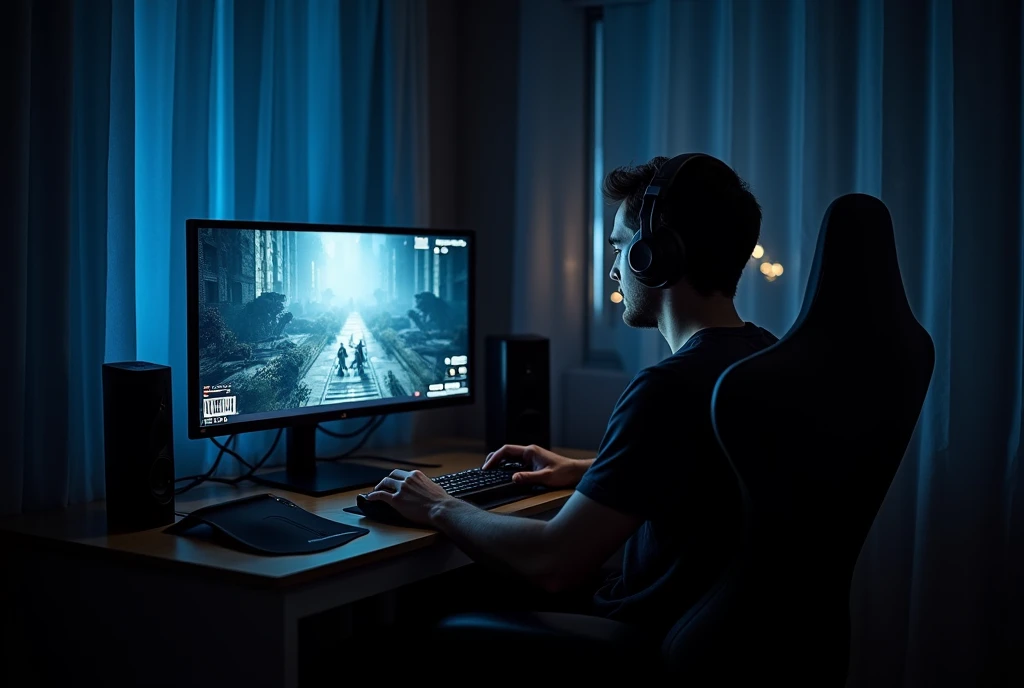
Night gaming is rarely spontaneous. Most players follow personal routines that signal the transition from day to session.
Preparation and personal setup
Preparation creates consistency. Before starting, many players follow similar steps:
- adjusting seating and screen position
- setting audio levels for immersion
- preparing drinks or snacks
- confirming uninterrupted time
These rituals mark the boundary between daily tasks and immersive play.
Solo play versus shared night sessions
Solo night sessions emphasize introspection and atmosphere. Shared sessions, especially online, tend to be calmer and more focused than daytime play. Conversations are shorter, coordination improves, and distractions are fewer, creating a different social dynamic.
Extended Sessions and the Flow State
Night sessions often lead players into a sustained flow state. Without time pressure from daily schedules, engagement becomes continuous rather than fragmented. Players stop checking clocks and focus on progression instead of milestones. This mental state supports deeper learning of mechanics, smoother execution, and stronger emotional response to in game events. Flow at night is supported by fewer interruptions and a slower internal tempo. Mistakes feel less frustrating, while success feels more absorbing. Extended sessions are not about duration alone, but about consistency of attention. When flow stabilizes, players interact with gaming worlds intuitively rather than consciously, strengthening immersion and personal attachment to the experience.
Immersive Gaming Worlds and Night Sessions as a Complete Experience
Night sessions work because they combine environment, design, and intention into a single flow. When distractions fade and focus sharpens, gaming worlds feel deeper and more responsive. The result is not just longer playtime, but a more meaningful connection to the virtual space.