

From an experimental niche known only to a handful of enthusiasts into a trillion-dollar asset class, cryptocurrencies have come a long way in the last decade. The key piece of this phenomenon is cryptocurrency exchanges, platforms that enable users to buy, sell, and store their cryptocurrencies. These digital marketplaces process billions of dollars in daily trading volume, making them a critical entry point for anyone interacting with digital assets.
The growth of cryptocurrencies has reached a point where crypto exchanges now exert influence that far outreaches the crypto world. As the bridges between cryptocurrencies and fiat currencies (like the U.S. dollar, euro, pound sterling, or yen), these platforms are starting to affect traditional foreign exchange (forex) markets. They create channels that allow capital to bypass fiat exchanges and even banks. This makes them a key component of the global financial sector.
For central banks and policymakers, this growing interconnection presents both opportunities and challenges. On one hand, crypto exchanges increase financial inclusiveness, allowing faster cross-border payments, and provide alternatives for people in unstable economies. On the other hand, they can also introduce volatility into fiat exchange rates, undermine capital controls, and complicate monetary policy. We have reached a point where it is no longer a question of whether crypto exchanges affect fiat, but rather how deep their impact is on traditional forex markets.
The Growing Role of Crypto Exchanges
Back in the day when cryptocurrencies were in their infancy, crypto exchanges were simple trading hubs, often clunky and marred with security issues. Modern versions are far cry from those early days, offering sophisticated solutions and rivaling traditional exchanges in both scale and efficiency. Platforms such as Binance, Coinbase, OKX, and Kraken provide instant access to dozens of fiat currencies and hundreds of crypto assets, enabling seamless conversions across borders. Modern platforms have streamlined crypto payouts to make withdrawals faster and more reliable than ever before. Sites like CryptoManiaks offer a handy overview of the best crypto exchanges and their features that can help you choose the best one for you.
The ever-increasing accessibility of crypto exchanges means that demand for fiat is in flux. As traders move massive amounts of crypto like Bitcoin, the demand for dollars undergoes a massive change, deeply affecting the forex rates. When countries like Argentina or Turkey rush to convert their pesos or lira into stablecoins, those flows can influence local exchange rates by draining liquidity from already fragile fiat markets. Of course, those stablecoins will need to be converted back into local currencies for use, starting the cycle in the opposite direction. Countries with massive inflation are especially susceptible to these shifts. Unfortunately, they are, as a rule, also poorly equipped to soften the blow of these sudden turns, making them very vulnerable.
Crypto as a Parallel Market for Currency Trading
Stablecoins are among the most fascinating aspects of the rise of cryptocurrencies. Designed to combine the best features of both crypto and fiat currencies, stablecoins play an increasingly important role in the world economy. Stablecoins like USDT (Tether) and USDC (USD Coin) act as digital dollars, circulating globally with a level of accessibility and speed that banks simply cannot match.
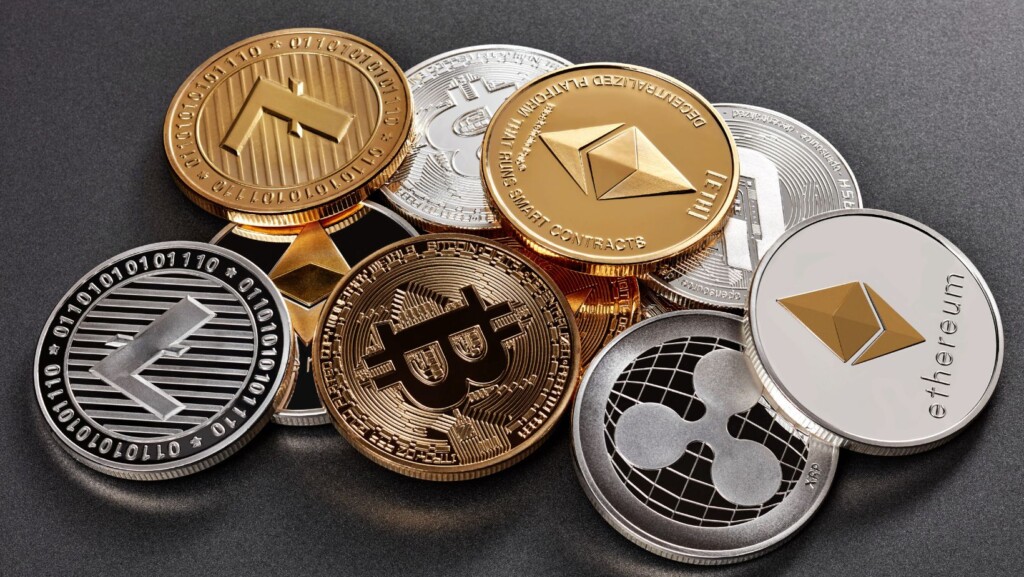
In practice, this creates a parallel forex market running 24/7, outside the control of governments or central banks. Their nature makes it quite possible for someone in Africa to trade through a crypto exchange in Canada, bypassing local working hours and restrictions.
Stablecoins are especially helpful for people in restricted or unstable economies, offering a superior choice over local currency and avoiding inflation pressure. One such example is Venezuela, where residents rely heavily on stablecoins to protect their savings from hyperinflation. As more people abandon the bolívar in favor of digital dollars, the bolívar’s exchange rate weakens further, demonstrating the feedback loop between crypto exchanges and fiat valuation.
Conclusion
While it is clear that crypto exchanges are not yet big enough to dictate global forex trends, there is no denying that their impact is already being felt. The growth trajectory is clear, and we are not too far from a day when crypto exchanges start rivaling fiat ones. But for now, it is important to understand that crypto exchanges are more than just crypto trading hubs. They exert subtle but constant influence on a far wider scale. As the pace of crypto adoption grows, so will this influence.