

We know that creating 3D versions of anime characters can feel both exciting and a little overwhelming, especially with so many tools and techniques available.
Some of us like starting with AI because it produces quick anime 3D models, while others prefer the traditional route of sketching, sculpting, and painting details by hand. There are also creative shortcuts like using community assets, experimenting with hand-painted textures, or focusing on stylized rigging and animation.
Collaboration and shared workflows add even more possibilities. In this article, we’ll explore seven different methods so everyone can find an approach that fits their skills and interests.
1. Experiment With AI Tools for Anime 3D Models
AI tools make it easy to jump right in. Type out a description or upload a sketch, and within minutes you’ll have a workable mesh on your screen. Many of these systems create 3D anime models with stylized proportions and clean cel-shaded features, so the result already feels close to the aesthetic you want.
From there, it’s all about refining. Adjust the hair, tweak the proportions, shift the colors. This approach is fast, intuitive, and a great way to build momentum without stalling at the first step.
2. Build From Original Concept Art
If drawing is your strength, concept art is a natural place to start. Sketch the character from several angles, such as front, side, and back, to give yourself a complete reference. Import those drawings into sculpting programs like Blender or ZBrush, and they will guide your modeling process.
This method keeps the character aligned with your vision from the beginning. It is also a reliable way to capture the details that define anime design, like oversized eyes, expressive faces, and dramatic hairstyles. The result feels personal and faithful to your original idea.
3. Adapt and Customize Community Models
Using community assets is a smart choice when you want to skip some of the groundwork. Plenty of creators share anime-inspired models online, often free or at low cost. Downloading one of these gives you a ready-made foundation you can reshape into something personal.
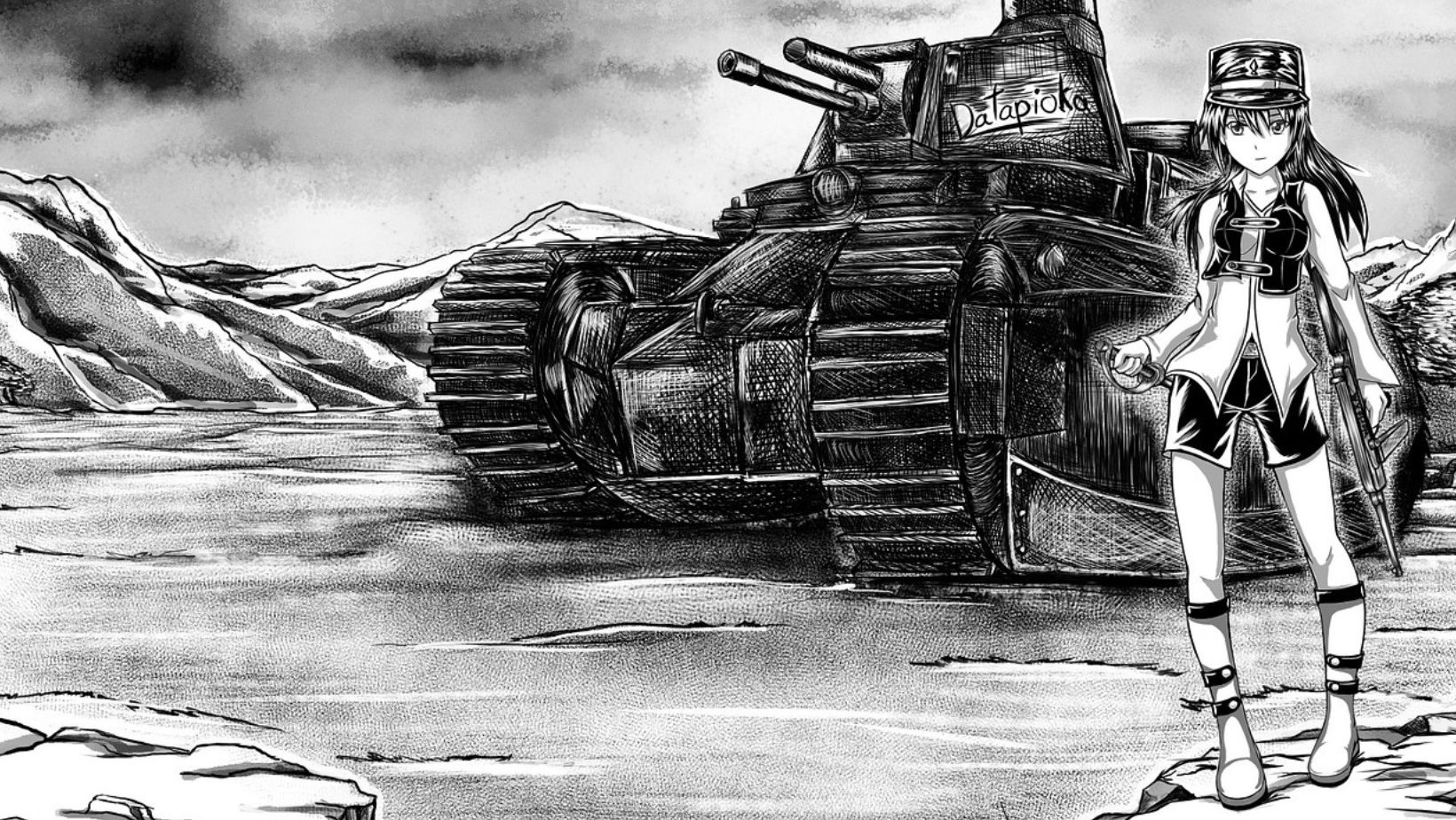
You might swap out outfits, restyle the hair, or adjust facial features until the character feels new. It’s a fantastic way to learn by studying someone else’s structure while still putting your stamp on the final piece.
4. Use Hand-Painted Textures for Personality
Textures can completely change the feel of a model. Instead of relying only on automated shading, you can paint every element yourself in programs like Photoshop or Substance Painter. Hand-painted work lets you highlight outlines, exaggerate expressions, or create custom clothing patterns that stand out.
The result is a vibrant, stylized look that captures the spirit of anime in three dimensions. It takes patience, but for anyone who loves painting, this stage is where a character’s personality really shines through.
5. Combine AI Bases With Manual Sculpting
Pairing AI with traditional sculpting gives you the best of both speed and control. AI handles the heavy lifting in the early stages by generating a base model with solid proportions. From there, sculpting tools let you refine anatomy, polish features, and resolve any mesh problems.
The mix works well if you’re developing multiple characters and need them to look distinct while still working quickly. You get the efficiency of automation with the artistry of detailed hand edits.
6. Focus on Stylized Rigging and Animation
Some creators prefer to concentrate on how a character moves rather than just how it looks. Rigging gives your model a skeleton that makes gestures, poses, and expressions possible. Even a simple setup allows blinking, waving, or striking familiar anime poses.
By exaggerating proportions in the rig, you can push the expressiveness even further. This route is especially valuable for anyone building characters for games, short films, or interactive media where performance plays a central role.
7. Join Creative Communities for Shared Workflows
Working alongside other creators can open doors you might not find on your own. Online forums and Discord groups are full of artists who share workflows, answer questions, and post assets.
You can learn faster by seeing how others solve common challenges, and feedback on your work helps you improve more quickly. Some communities even collaborate on shared characters or group projects. Being part of a network adds energy and inspiration, and it makes the creative process feel less isolated.
Conclusion
Designing 3D anime characters is all about finding approaches that make the process enjoyable and manageable. Some people prefer quick-start tools, while others enjoy taking time with artistic details, and both paths can lead to impressive results.
What matters most is experimenting with different methods, learning as you go, and choosing the techniques that best match your goals. Staying curious and connected with other creators will keep the process rewarding.