
Gaming spent a decade being described as a growth industry. 2026 has been something else: a year of consolidation, contraction and some genuinely strange strategic reversals. Total time spent playing fell 4 per cent year on year across PlayStation Network alone, and the segments still growing are mostly the ones nobody put in a 2020 forecast deck. Regulated, region-locked platforms are one of them, which is why a nationally licensed operation like Twinsbet casino now sits closer to mainstream games coverage than it did five years ago.
That convergence is real but easy to overstate. A Lithuanian-licensed platform such as Twinsbet cannot offer bonuses, free spins, demo modes or progressive jackpots, because national law forbids all four. Whatever it is competing with console gaming for, it is not competing on the same terms.
The hardware slowdown is real
Sony’s first quarter of FY2026 put cumulative PS5 shipments at 95.3 million, with 1.6 million moved in the quarter. That is a 36 per cent year-on-year drop in hardware. Monthly active users on PSN held up better at 125 million in June 2026, up 2 per cent. Software sold 66.1 million units, six million of them first-party, and 82 per cent of those were digital downloads.
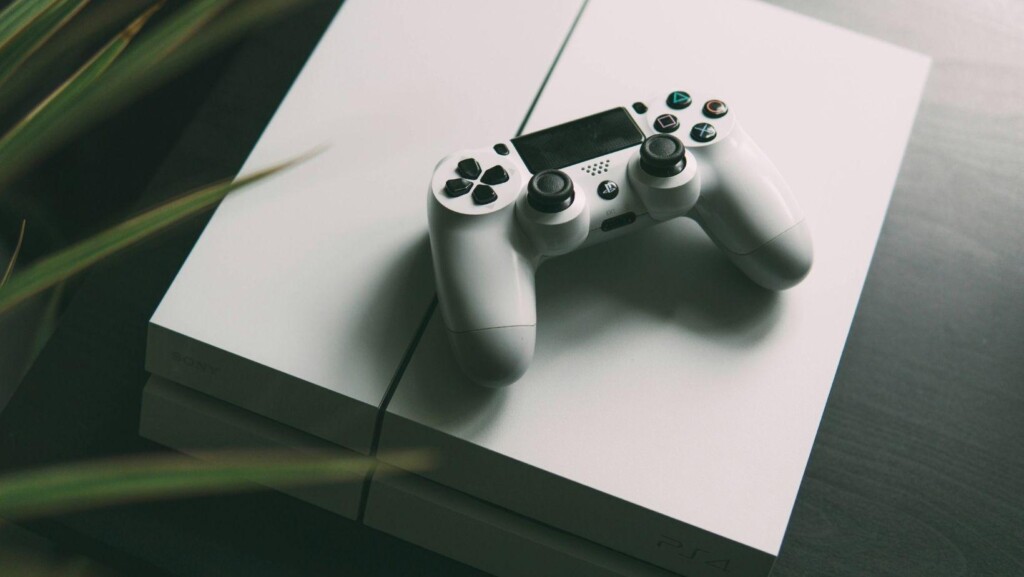
The financials looked healthier than the unit numbers. Segment revenue hit 937.1 billion yen with operating profit up 37 per cent to 202.0 billion, though a chunk of that came from a US tariff refund rather than anything Sony did.
Sony reversed its PC strategy
The oddest decision of the year was quiet. Sony pulled PC ports of its single-player exclusives, cancelling versions of Ghost of Yotei and Saros, while keeping PC releases for live-service titles. Bloomberg’s Jason Schreier reported the change in March. PC ports were contributing roughly 1.5 per cent of revenue, which is either a rounding error worth abandoning or a growth channel being strangled early, depending on who you ask.
The release calendar was empty, then it was not
The first four months of 2026 had almost nothing in them. That changed fast. Marathon landed in March, Saros in May, Marvel’s Wolverine arrives 15 September, Marvel Tokon: Fighting Souls in autumn, and GTA 6 on 19 November. The PS5 Pro’s PSSR 2.0 upgrade shipped in March with 50-plus supported titles, starting with Resident Evil Requiem. You enable it manually under Screen and Video, then Video Output, which is a very Sony way to ship a headline feature.
The jobs picture stayed bad
January alone brought close to 900 layoffs, following more than 5,000 across 2025. Playtika cut 500 people, 15 per cent of its workforce. GDC’s annual survey found 28 per cent of respondents had lost a job in the previous two years, and roughly one in three US developers had been through a redundancy round. Thirty-six per cent of the industry now reports using AI tools in some form.
Then in August, the 55 billion dollar buyout of EA by a consortium of Saudi Arabia’s PIF, Silver Lake and Affinity Partners closed, taking one of the largest publishers in the world private.
Small studios keep winning the arguments
Against that backdrop, the most decorated game of the cycle came from a French studio nobody had heard of three years ago. Clair Obscur: Expedition 33 by Sandfall Interactive took nine awards from twelve nominations at The Game Awards in December 2025, including Game of the Year.
The lesson is not that AAA is finished. It is that a mid-sized team with a clear idea can now beat a 400-person production on its own turf, and that publishers have noticed. Expect more AA budgets and fewer 200 million dollar bets in the greenlight meetings of 2027.
There is a caveat worth stating. Award sweeps are not sales figures, and a single breakout does not reset an industry’s cost structure. What Clair Obscur did establish is that the audience for a finished, self-contained, moderately priced game has not gone anywhere, which is not what the last five years of strategy decks assumed.
If 2026 is remembered for anything, it will probably be that: the year the growth story stopped and the interesting question became what a healthy, smaller industry actually looks like.