
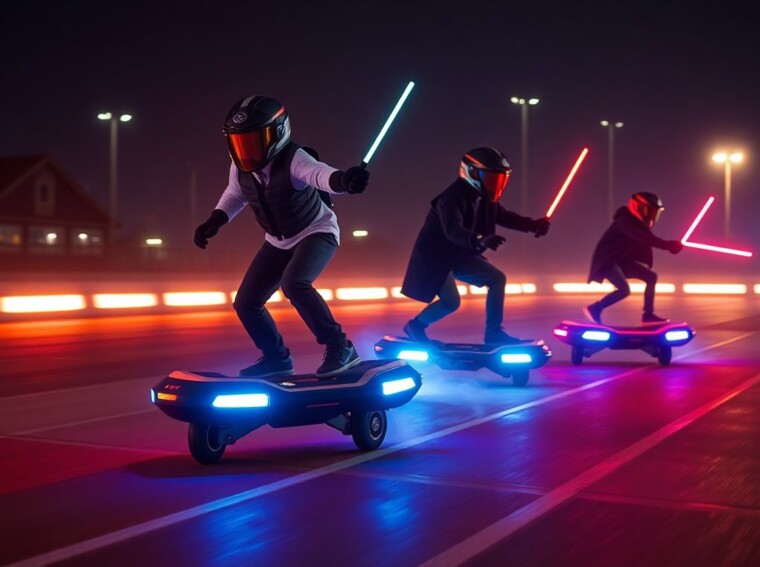
PLvmwrl telepathic trivia wars in dream arenas is a fast, spectator-friendly sport. It blends hoverboard control, aiming skill, and quick tactics. Players compete in short rounds and earn points by tagging opponents with LaserX emitters. Teams and solo formats exist. This guide explains origins, gear, rules, safety steps, and reliable strategies for players who want to train or compete.
Key Takeaways
- PlayMWRL LaserX jousts on magnetic hoverboards blend hoverboard control and LaserX aiming skills in fast-paced, spectator-friendly matches lasting up to three minutes.
- Players use LaserX emitters to score points by tagging sensors on helmets and vests, with different points awarded based on hit location and strategic zone control.
- Essential gear includes magnetic hoverboards, precise LaserX emitters, safety armor, and well-maintained arena equipment adhering to league standards.
- Competitive formats include solo and team battles with rules enforcing fair play, penalties, and approved equipment classes for consistent tournaments.
- Strict safety protocols mandate certified protective gear, padded arenas, and emergency readiness to ensure player and spectator safety.
- Winning strategies focus on speed, tactical positioning, role assignments, and practiced drills for accuracy and hoverboard balance to outperform opponents.
What Is PlayMWRL LaserX Jousts? Origins, Format, And Appeal
PlayMWRL LaserX jousts on magnetic hoverboards began as community events in 2020 and grew into organized leagues by 2023. Founders mixed laser tag systems with magnetic levitation demo kits. Matches use short, timed rounds. Each round lasts 90 seconds to three minutes. Players ride magnetic hoverboards inside a marked arena. They aim LaserX emitters at sensors on helmets and vests. The sport appeals because it combines physical balance, aiming skill, and quick decision-making. Observers praise the mix of athletic skill and tech spectacle. Analysts compare its rise to other competitive electronic sports and note increasing tournament interest in mainstream media and coverage like the overview of esports growth in sports culture.
Essential Equipment And Technology You’ll Need
Players need reliable hoverboards, precise emitters, accurate sensors, and safety armor. Event organizers must supply arena barriers, power rails, and control consoles. Tournament staff need timing systems and scoreboards. All equipment must meet league electrical and interference standards. Teams should inspect batteries, magnetic modules, and wireless links before each match. The list below summarizes core items and quick checks.
Rules, Scoring, And Match Formats For Competitive Play
Matches follow clear rules to keep play fair and fast. Standard formats include 1v1, 3v3, and free-for-all. Each match uses a set number of rounds and a round timer. Scoring awards points for direct hits and for zone control. Direct hits on helmet sensors count two points. Hits on chest sensors count one point. Players lose a life after a preset number of hits and then respawn after a short delay. Tie breakers use sudden-death rounds. Officials enforce penalties for wheel grabbing, board tampering, and intentional contact. League rulebooks list approved board classes, emitter specifications, and protest procedures.
Safety Protocols, Arena Design, And Regulatory Considerations
Safety rules protect players and spectators. Leagues require certified helmets, neck guards, and impact vests. Arenas should use padded barriers and clear sight lines. Floor magnets must be enclosed under a low-friction surface to prevent foot traps. Emergency staff must remain on site with extraction tools and first aid kits. Organizers must document battery handling and magnetic field exposure limits. Officials perform daily safety checks and log any incidents. Venues must meet local event permits and liability insurance standards before hosting tournaments.
Winning Strategies: Offensive Tactics And Defensive Positioning
Successful players combine speed, aim, and board control. Offense relies on short bursts of speed to flank opponents and trigger chest sensors. Players use feints to draw defensive turns and to expose helmets. Teams assign roles: a front rider to pressure, a mid rider to cut lanes, and a rear rider to cover the zone. Defense centers on smooth braking and controlled backward drift to maintain lines of sight. Players use low, shifting stances to reduce target area. Telemetry helps coaches spot weak approaches and adjust positioning. Practiced drills for beam accuracy and levitation balance give consistent scoring edges.