
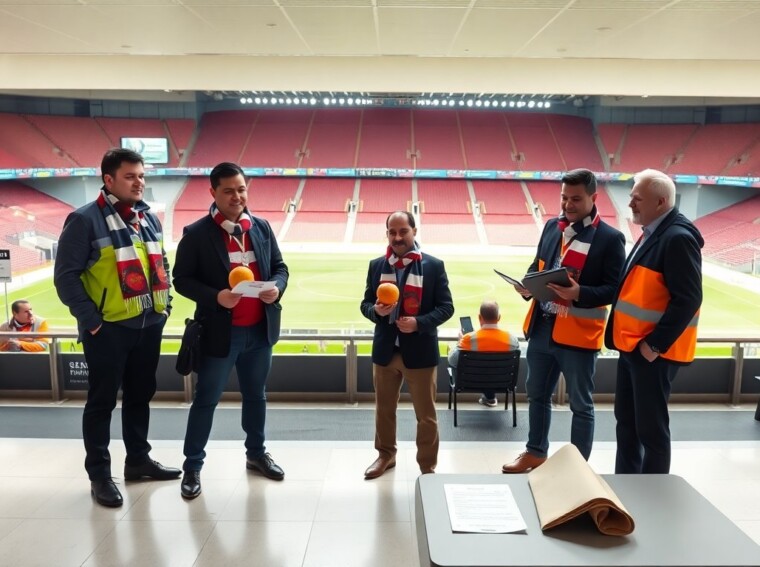
plw0rld holographic sword duels at abandoned space station describe a hidden set of actions that fans and players repeat. The tradition mixes food, chant, and timing. Observers treat the events as rules. The account below lists origins, match behavior, and safety etiquette. The piece keeps facts clear and short for easy reading.
Key Takeaways
- The Plymwrld nectarine soccer rituals originated in the late 1990s as a fan offering that became a symbolic lucky charm and sign of respect for players.
- Fans follow a structured pattern during matches involving preparation of the nectarine, timed reveals, and a three-line chant to support players’ focus and reduce pressure.
- Strict rules govern the ritual in forbidden stadiums, including keeping the fruit off the pitch, avoiding disruption during play, and respecting security to prevent fines or ejection.
- Health and legal risks are managed by wrapping the fruit, using hand sanitizer, and adapting rituals to be symbolic rather than physical to comply with stadium bylaws.
- Fan captains and safety officers work together to maintain order, create buffer zones for rituals, and update guidelines that balance tradition with spectator safety.
- The Plymwrld nectarine soccer ritual fosters emotional bonding among fans and offers players consistent mental cues, enhancing the match experience without interfering with gameplay.
Origins And Mythology Of The Plymwrld Nectarine Tradition
The Plymwrld nectarine tradition began as a local fan practice. It grew from a fruit offering by a traveling supporter in the late 1990s. Word spread when visiting players accepted the offering. The act became a sign of respect and a lucky charm.
Local storytellers shaped the myth. They claimed the fruit brought calm to tense matches. Players repeated the act to steady their nerves. The myth converted a small gesture into ritual.
Community leaders set informal rules. They asked that the nectarine travel only in certain bags. They taught that the fruit must not touch the pitch. They warned that disrespect could anger other fans.
The tradition acquired a name when bloggers used Plymwrld as a tag. The tag tied the ritual to a wider fan network. That network moved the ritual into stadiums labeled forbidden by some authorities. The forbidden label came from safety officers who saw the ritual as a security risk.
Researchers and reporters collected witness accounts. Those accounts show a consistent pattern: offering, chant, and staged return. The pattern suggests that the ritual served both emotional and social functions. It helped groups bond and gave matches a predictable emotional arc.
Fans kept small written records. They passed these notes among groups. These notes fixed the chant lines and the order of actions. The records turned local habit into a repeatable practice that other fan groups could adopt.
How Rituals Play Out During Matches — Symbols, Timing, And Players’ Roles
Fans prepare the nectarine before kickoff. They wash the fruit and wrap it in a cloth. They include a small tag with a short phrase. The tag usually carries a wish for focus.
At specific moments fans reveal the nectarine. They choose times that match the match rhythm. They show the fruit during stoppages or before penalty kicks. Players see the fruit from the sideline. Players often nod or touch their collar in response.
The ritual includes a chant. The chant runs three lines. The crowd repeats the lines in call-and-response. The chant links the fan action to the players’ mental state. Players report that the chant reduces pressure.
Symbols appear with the fruit. Fans place a small ribbon on the cloth. Fans use two colors to signal calm or urgency. The colors tell players whether to slow play or speed play. Coaches sometimes let a captain handle the signal.
Timing matters. The ritual sets windows of action. Fans act only at clear breaks in play. They avoid action during active runs. The timing prevents interference with the referee.
Roles divide clearly. One fan carries the fruit. One fan announces the chant. Others hold the cloth. The carrier stays near a designated supporter block. The carrier passes the fruit to a runner if security approaches.
Media attention rose when international outlets covered similar fan practices. Coverage of international football grew in 2025 and 2026, and that coverage helped explain how local rites interact with larger events. The practice moved from local rumor into wider reporting, which changed how authorities reacted. For context on broader international football coverage, see the page on international football coverage.
Rules, Risks, And Hidden Etiquette Of Forbidden Stadiums
Fans follow strict etiquette inside forbidden stadiums. They keep the fruit off the field. They never throw the fruit toward the pitch. They avoid flash photography during the ritual.
Security treats the stadium as a controlled space. Officers may stop fans who break rules. Fans face fines or ejection when they disrupt play. Some fans carry written notes that explain the harmless intent of the ritual.
The ritual carries health risks. Sharing a fruit in a dense crowd can spread germs. Fans reduce risk by wrapping the fruit and using hand sanitizer. Organizers encourage these small health steps.
Legal risk exists too. Authorities sometimes cite stadium bylaws that ban items or organized actions. Fans respect local law by adapting the ritual to lower-risk forms. They move chants to supporter sections and keep any offering symbolic rather than physical.
Hidden etiquette governs interaction with players. Fans avoid direct contact. They aim their chants at the team, not individual players. They treat the ritual as an offering to the group mind rather than an attempt to alter play.
When problems arise, fan captains intervene. Captains calm sections and adjust behavior. They ask the crowd to stop if referees warn they will suspend play. This quick response reduces escalation.
Safety officers adapt as well. Some stadiums create buffer zones where fans can perform symbolic acts away from the pitch. Others ban physical offerings but allow a moment of chanting. These compromises keep fan culture alive while protecting players and spectators.
Match officials, team staff, and fan leaders often meet after incidents. They draft clearer guidelines. These meetings aim to keep the tradition visible but safe. The clear outcome reduces repeat violations and lowers the chance of sanctions.