
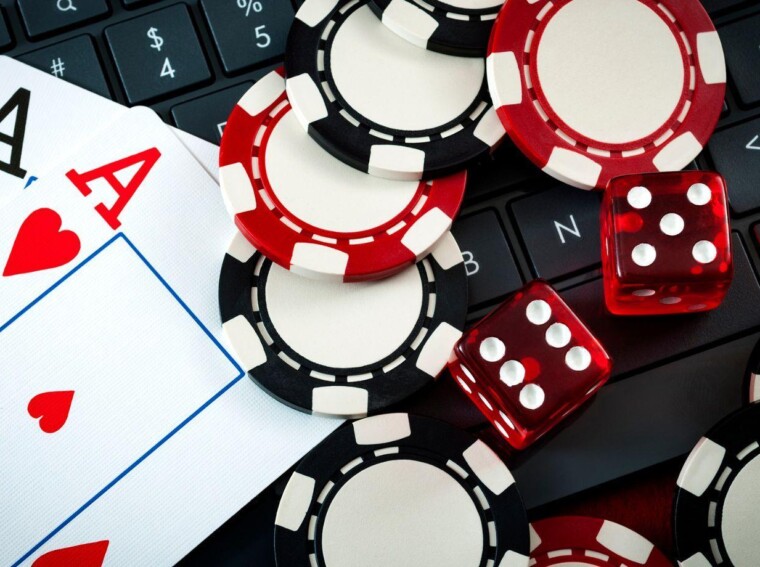
The line between gaming and gambling feels thinner than it used to. You can jump into a mobile game, unlock rewards, and then see a betting prompt tied to the same event. In 2026, platforms design these experiences to feel seamless. AI studies how you play, reward systems keep you engaged, and visual design borrows heavily across both industries. What used to sit in separate corners of entertainment now shares the same tech backbone, which changes how you interact with risk, reward and spending online.
Loot boxes, microtransactions and the ‘grey area’ debate
Loot boxes still sit in that awkward middle ground where gaming meets gambling mechanics. You spend money for a chance at a reward, but UK rules don’t classify most of these systems as gambling unless items can be cashed out directly. The Gambling Commission has kept this position, even as concerns grow about how closely these systems mirror casino-style design.
Developers also layer in timed rewards and seasonal passes to keep you returning. The same psychology appears across gambling platforms, especially through incentives like bingo promotions, where limited time offers and bonus rounds encourage repeat visits and longer sessions. The technology behind both systems tracks engagement patterns and adjusts rewards to keep you active.
AI, personalisation and behaviour tracking
AI now shapes what you see across both gaming and gambling platforms. Games adjust difficulty and suggest content based on how you behave. Gambling operators use similar systems to personalise offers and predict spending habits.
This makes experiences feel smoother. If you struggle with a level, the game might guide you towards easier progression. If you engage heavily with a betting market, a platform might surface similar events. But the same systems raise concerns when personalisation starts steering spending decisions too aggressively. UK regulators continue to examine how behavioural data gets used in real time to influence user activity.
Streaming, esports and interactive betting ecosystems
Streaming has turned gaming and gambling into shared spaces. You might watch an esports match, see live odds appear on screen, and place a prediction without switching platforms. Esports betting now blends live stats, chat interaction and instant markets, making it feel closer to gameplay than traditional wagering.
At the same time, gambling branding and sponsorships appear more frequently in sports broadcasts and gaming content, which further blurs the boundaries between watching, playing and betting.
Regulation, black markets and the future of digital play
UK regulation in 2026 continues to tighten, with affordability checks and higher remote gaming duties shaping how operators design products. These changes aim to reduce harm, but they also push companies to rethink how they keep users engaged.
When regulation becomes stricter, some players may drift towards offshore platforms that replicate gaming-style interfaces without the same safeguards. As gaming and gambling continue to converge, the challenge sits in balancing innovation with clear protections, so you always know what kind of experience you’re stepping into.