
The excitement surrounding artificial intelligence often centers on software, algorithms, and the companies racing to build smarter systems. Yet behind every AI model and every cloud-based service sits a physical world of hardware that depends on materials many people rarely think about.
The Hidden Side of the Technology Boom
Conversations about technology investment usually focus on chipmakers, software developers, or data center operators. At the same time, discussions around commodities often revolve around topics like inflation, central banks, or a gold price prediction 2026. What gets overlooked is the connection between these worlds.
Modern computing infrastructure relies on a range of metals to function efficiently. The growth of AI is creating demand not only for advanced processors but also for the materials that make those processors reliable. Every new server rack, networking switch, and storage system requires components that can move electricity and data with minimal resistance.
As companies spend billions expanding computing capacity, the materials inside the hardware become part of a much larger story.
Performance Comes Before Cost
One reason precious metals remain relevant in electronics is that engineers care deeply about reliability.
A data center operator can spend enormous amounts of money constructing a facility, filling it with servers, and maintaining cooling systems. In that environment, saving a few cents by using a lower-quality conductive material may not make sense if it increases the risk of failure.
Gold is particularly valued because it resists corrosion. Electrical contacts coated with gold can continue functioning for years even in demanding conditions. Silver offers exceptional conductivity, while platinum and palladium appear in specialized applications where durability matters.
The value of these metals is often tiny compared with the value of the equipment they support. What matters is performance, not simply material cost.
AI Is Creating a Hardware Race
The race to build larger AI systems has transformed the priorities of many technology companies.
Just a few years ago, data centers were expanding steadily. Now many organizations are competing to secure enough computing power to train and operate increasingly sophisticated models. The result is a construction boom involving new facilities, upgraded networks, and massive purchases of specialized processors.
Every additional server introduces thousands of connections that must work flawlessly. A single weak point can create maintenance headaches, downtime, or performance bottlenecks.
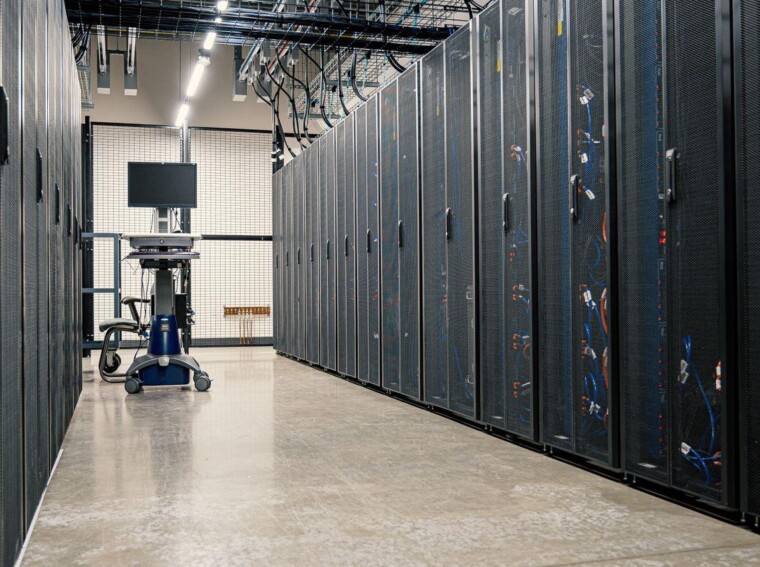
The public tends to view AI as something abstract. In reality, it requires physical infrastructure on a scale that resembles heavy industry. Warehouses full of machines are becoming just as important as the software running on them.
Small Amounts Add Up Quickly
One interesting aspect of industrial metal demand is that individual devices often contain only tiny quantities.
A single server may use a relatively small amount of gold. The same is true for networking hardware, storage systems, and countless electronic components. Viewed separately, these amounts seem insignificant.
The picture changes when multiplied across millions of machines.
Large technology firms are building facilities that contain tens of thousands of servers. Cloud providers continue expanding globally. Telecommunications networks are handling larger data volumes every year. Together, these trends create a steady stream of demand that extends far beyond consumer electronics.
The average person replacing a smartphone every few years may not notice this shift, but manufacturers certainly do.
The Supply Question
As demand for computing infrastructure grows, attention increasingly turns toward supply chains.
Mining projects can take years to develop. Environmental reviews, permitting requirements, and geopolitical concerns often slow production. At the same time, technology companies want predictable access to materials that support manufacturing.
This creates an interesting tension. The technology industry is associated with speed and rapid innovation, while mining is often a slow-moving business that requires long-term planning.
Some analysts argue that future demand from computing could become an increasingly important factor when evaluating metal markets. Others believe industrial usage will remain relatively small compared with jewelry and investment demand.
The debate itself highlights how closely connected modern industries have become.
Why the Physical World Still Matters
The digital economy often creates the illusion that growth happens entirely in software. Apps appear instantly. AI models generate responses in seconds. Cloud services seem almost weightless.
Behind that experience sits a vast network of machines, cables, connectors, cooling systems, and electronic components built from real materials extracted from the ground.
Every breakthrough in computing ultimately depends on physical infrastructure. The faster organizations push toward more powerful AI systems and larger data centers, the more attention shifts to the materials that make those systems possible.
Technology may feel increasingly virtual, but its foundations remain surprisingly tangible. Beneath the algorithms, the processors, and the endless streams of data are metals quietly performing tasks that users never see, yet depend on every day.