
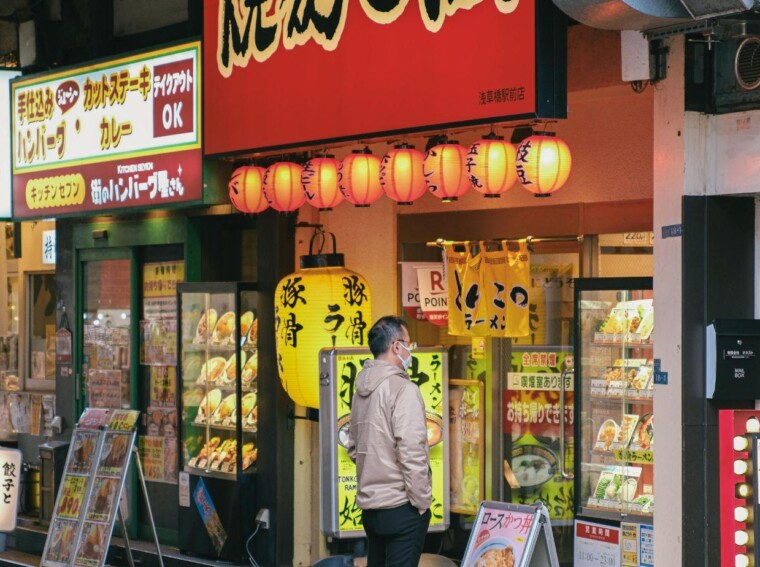
Japan has a way of turning tiny obsessions into things you can actually buy. Sometimes the result is cute, sometimes practical, sometimes completely unexpected to anyone looking from the outside. What feels bizarre at first often makes more sense once you see the culture around it: collectors, fandoms, novelty shops, vending machines, seasonal releases and niche online communities all play their part.
A good example is japanese used panties, a phrase many foreign readers first encounter through stories about burusera culture and Japan’s more private adult subcultures. It is a strange entry point, but it shows how online shopping can turn even very specific interests into organized markets. And it is far from the only Japanese product category that surprises people abroad.
1. Gachapon capsule toys
Gachapon may be one of Japan’s easiest oddities to love. You put in a coin, turn the handle and get a random toy sealed inside a plastic capsule. Online stores have taken that same thrill and made it available to collectors who live far from Japan.
The range is wider than many people expect. There are tiny animals, anime characters, miniature furniture, realistic food replicas, office objects, weird mascots and toys based on jokes that only make sense once you see the full set. Part of the fun is not knowing exactly what you will get, and part of it is trying to complete a collection that may vanish after one release.
2. Fake food that looks almost too real
The plastic food displayed outside Japanese restaurants has become a category of its own. These samples were originally made to help customers understand the menu before ordering, but the craftsmanship is so detailed that people now buy them as decorations, photography props or collectibles.
A fake bowl of ramen can look glossy, warm and ready to eat. Sushi samples show tiny details in the rice and fish. Desserts can be so realistic that they feel like a prank waiting to happen. It is a very Japanese kind of product: practical at first, then oddly beautiful once artisans refine it to perfection.
3. Regional Kit Kat flavors
In many countries, Kit Kat is just a chocolate bar. In Japan, it has become something closer to a souvenir system. Different regions and seasons bring different flavors, and some are strange enough to become conversation pieces on their own.
Matcha is the classic one, but it goes much further: sake, wasabi, sweet potato, melon, chestnut, strawberry cheesecake and other limited editions appear and disappear. People buy them to taste, collect or gift. The packaging often matters almost as much as the flavor, especially when the release is tied to a specific region.
4. Insect snacks
Edible insects are not exclusive to Japan, but Japanese brands package them in ways that make the category feel more approachable and more unusual at the same time. Crickets, silkworms and grasshoppers can appear as crunchy snacks, protein bites or novelty food gifts.
Some buyers are genuinely interested in sustainability and alternative protein. Others buy them because they want to challenge friends or bring something strange to a party. The appeal sits somewhere between food trend, dare and cultural curiosity.
5. High-tech toilet seats
Japanese toilet seats are famous because they turn a basic household object into a piece of technology. Heated seats, washing functions, deodorizing systems, motion sensors, automatic lids and sound features are all part of the category.
To foreign buyers, the mix can feel futuristic and funny at the same time. It is not just a novelty, though. These products show how much attention Japanese design can give to daily comfort. Even a bathroom routine becomes something that can be optimized, softened and made slightly theatrical.
6. Dakimakura body pillows
Dakimakura are large body pillows, often printed with anime characters or original illustrations. Some are simple fan items, others are more adult, and many sit somewhere between bedroom decor and character merchandise.
For anime fans, a dakimakura can be a personal collectible connected to a favorite series. For outsiders, it may look like one of the clearest examples of how character culture moves into everyday life in Japan. Online shops make the category easy to browse, with covers, inserts and custom designs sold separately.
7. Odd vending-machine goods
Japan’s vending machines have a global reputation, partly because the stories around them are almost as famous as the machines themselves. Not every rumor is true, but the real examples are still entertaining: canned bread, hot meals, umbrellas, toys, books, flowers and small novelty products.
Some sellers now package vending-machine items for online buyers who want a piece of that culture without traveling to Japan. A can of bread or a strange snack becomes more than the object itself. It becomes a souvenir from a system where machines can sell almost anything.
8. Protection charms and ghost-related amulets
Omamori and ofuda are traditional Japanese charms connected to shrines, temples and folk belief. Some are linked to luck, study, travel, health or protection. Others attract attention because they are described as guarding against bad spirits or misfortune.
International buyers often treat them as cultural keepsakes, but they are not just decorative objects. Their meaning comes from ritual, place and belief. That gives them a different feeling from ordinary souvenirs, especially for people interested in folklore or the paranormal side of Japan.
9. Designer face masks
Face masks were part of Japanese everyday life long before they became familiar worldwide. Over time, they also became fashion items. You can find clean minimalist designs, bold prints, character masks, streetwear versions and limited collaborations.
The interesting thing is how natural the shift feels. A practical item becomes a way to express style, fandom or mood. For online shoppers, Japanese masks can look more considered than the plain medical-style versions they see at home.
10. Custom anime figurines
Anime figurines are not unusual by themselves, but Japan takes the category much further than casual fans might expect. There are limited editions, garage kits, hand-painted pieces, custom sculpts and figures tied to extremely specific characters or scenes.
Collectors outside Japan often rely on specialist stores or proxy-buying services because many releases are local, limited or difficult to find later. That scarcity turns the purchase into a hunt. The object matters, but so does the chase.
11. Scented erasers and kawaii stationery
Japanese stationery can make even a simple pencil case feel like a collectible. Scented erasers shaped like fruit, tiny food items, animals or household objects are especially popular. Add stickers, themed notebooks, decorative pens and pastel packaging, and the whole category becomes hard to resist.
It is not shocking or extreme, but it does show something important about Japanese consumer culture: small everyday objects are allowed to be playful. A basic eraser does not have to be basic. It can smell like melon, look like a dessert and sit on a desk like a miniature toy.
12. Mystery boxes from Japan
Mystery boxes work well because they turn online shopping into a small surprise. Japanese versions may include snacks, anime goods, stationery, beauty items, toys or random novelty products. You do not always know exactly what is coming, and that uncertainty is the main attraction.
The format fits Japan’s love of blind boxes, limited releases and seasonal goods. For international shoppers, a mystery box feels like opening a small window into Japanese pop culture. Sometimes the contents are useful, sometimes strange, and sometimes just fun to unpack.
Why these products keep attracting attention
Unusual Japanese products travel well online because they are easy to talk about. They are visual, specific and often connected to a story: a subculture, a vending machine, a regional flavor, a shrine, a fandom or a tiny design obsession. That makes them perfect for social media, blogs, collector groups and curiosity-driven shopping.
The bigger point is that people do not buy only for practical reasons. They buy surprise, identity, humor, nostalgia, private interests and little pieces of a culture they want to explore. Japan’s novelty market understands that better than most places. Whether the item is cute, strange, useful or controversial, it often gives the buyer the feeling of finding a small hidden world online.