

Video games have long had a stigma attached to them. Too much exposure to screens, head-turning story plots or numbing the brains of users. Whilst there is some truth to these theories, it’s time to hit the pause button on the stigma and take a closer look at the cognitive benefits of gaming. Gaming can actually be a fun and effective way to boost your brainpower.
Game Genre Matters
Not all video games are created equal when it comes to cognitive benefits. Research has shown that specific creative genres, such as Minecraft and Roblox or online social casino games such as 333 Fat Frogs, can significantly enhance cognitive skills. These games require strategic thinking, quick decision-making, and social interaction.
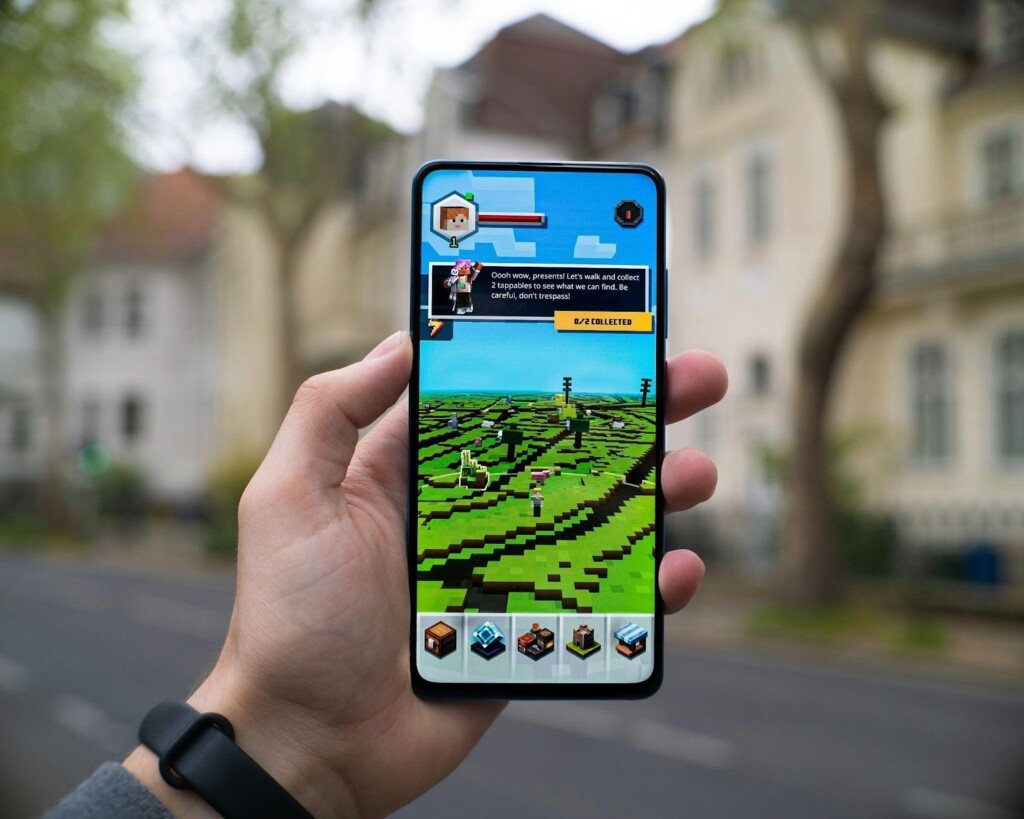
For instance, Minecraft encourages creativity and spatial awareness as players build intricate structures and navigate through complex worlds. Roblox offers a platform for users to create their own games, fostering critical thinking and problem-solving skills. Meanwhile, the more social games encourage users to interact with each other, another crucial factor in combating feelings of loneliness or isolation. Combining these engaging experiences promotes cognitive improvements through repetition and practice, making them ideal for boosting attention and memory.
Long-Term Impact on Cognitive Aging
One of the most exciting findings in recent studies is the long-term impact of gaming on cognitive aging. Regular gaming can serve as a tool for promoting healthy cognitive function as we age. As we grow older, maintaining our mental sharpness becomes increasingly important. The repetitive nature of gaming, combined with its strategic elements, can help keep our minds agile.
A study found that older adults who engaged in regular gaming demonstrated improved memory and processing speeds compared to non-gamers. This suggests that gaming might be an effective way to stave off cognitive decline and maintain mental fitness well into our golden years. So, if you’re looking for a fun way to keep your brain young, consider picking up a controller!
Targeted Skills: Memory, Processing Speed, and Attention
Regular gaming has been associated with a plethora of cognitive benefits. Here are some of the key skills that can improve through gaming:
Memory: Many games require players to remember complex strategies, patterns, and rules. This constant engagement can enhance both short-term and long-term memory.
Faster Processing Speeds: Fast-paced games demand quick reactions and decision-making. Players often have to process information rapidly, which can translate to improved cognitive processing speeds in real-life situations.
Problem-Solving Skills: Games often present players with challenges that require creative solutions. Whether it’s figuring out how to navigate a tricky level or strategizing with teammates, gaming can sharpen your problem-solving abilities.
Enhanced Attention: Many games require sustained focus and attention to detail. Players must stay alert to succeed, which can lead to improved attention spans outside of gaming.
The Caveat: Moderation is Key
While the benefits of gaming are compelling, it’s essential to recognize that moderation is crucial. Too much gaming can lead to negative consequences, such as increased screen time, sedentary behavior, and social isolation. It’s important to balance gaming with other activities, particularly physical exercise.
Excessive screen time has been linked to various health issues, including eye strain, sleep disturbances, and even anxiety. To enjoy the benefits of gaming without the drawbacks, consider setting limits on your gaming sessions. The American Academy of Pediatrics recommends that children and adolescents engage in no more than two hours of recreational screen time per day. Adults should also be mindful of their screen time and incorporate physical activity into their daily routines.
The Future
As technology advances, the potential for video games to promote cognitive health continues to grow. Virtual reality (VR) gaming is an exciting frontier that combines immersive experiences with physical activity. VR games often require players to move around, engage their bodies, and interact with their environments, providing a more holistic approach to gaming.
Imagine playing a VR game that not only challenges your mind but also gets you moving! Games that incorporate physical activity can help counteract the sedentary nature of traditional gaming while still providing cognitive benefits. This blend of gaming and physical activity can create a more balanced lifestyle, promoting both mental and physical well-being.
In conclusion, playing video games can be a fun and engaging way to improve attention, memory, and cognitive skills. With the right genres, such as Minecraft, Roblox, and Rocket League, players can experience significant cognitive benefits while enjoying themselves. However, moderation is key—balancing gaming with physical activity and limiting screen time is essential for maintaining overall health.
So, the next time you pick up a controller, remember that you’re not just having fun; you’re also leveling up your brain! Whether you’re a casual gamer or a dedicated enthusiast, embracing the benefits of gaming can lead to a sharper mind and a more enjoyable experience. So with all that said, grab your gaming equipment and GAME ON!