
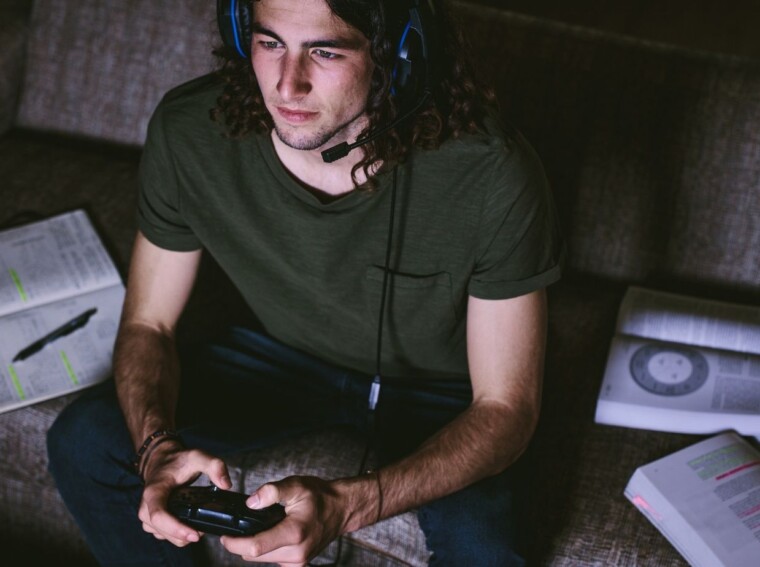
Gaming has shifted toward connection. People still play alone, but most sessions now involve other players in some form. Multiplayer modes account for 78% of total gaming time globally, and around 2.8 billion people play online multiplayer each month.
That scale changes what games are. They feel closer to social spaces than isolated experiences. The move toward teamplay comes from how people think and behave. When games create shared goals and easy interaction, players stick around longer and engage more deeply.
Solo Gaming Still Has A Place, But Momentum Favors Multiplayer
Plenty of players still enjoy solo games. About 53% of gamers prefer single-player experiences, especially for story-driven titles or focused sessions. Younger players tell a different story. Among those under 19, around 70% prefer multiplayer experiences. That shift shows up in what gets built and funded.
Developers follow demand. Around 64% of studios are working on multiplayer or co-op features, while purely offline projects make up a smaller slice. Social play now drives design decisions instead of sitting on the side.
Why Shared Goals Keep Players Engaged
Team-based games tap into something simple, while people want to feel useful and recognized. A shared objective gives every player a role. That shows up in behavior. Around 78% of gamers say games help them meet new people, and 39% have formed close relationships through gaming.
That’s a strong signal that interaction adds real value, and there’s also a gameplay edge. Groups tend to perform better than individuals in complex scenarios. Players combine different skills, react faster, and adjust strategies on the fly. Wins feel earned together, which makes them stick.
How Game Design Pushes Players Toward Connection
Modern games remove friction around playing together, and that’s a big reason multiplayer keeps growing. Cross-platform play is one example. Around 72% of gamers play across multiple devices, which makes it easier to jump in with friends regardless of setup. Fewer barriers mean more sessions. Engagement data backs it up.

Multiplayer and cross-platform titles see up to 45% higher engagement in the first 30 days compared to more isolated formats. That kind of lift drives long-term retention. Scale matters too. Co-op games generated over $4 billion on Steam in early 2025, regularly topping charts. That level of demand pushes studios to double down on shared experiences.
How Strangers Turn Into Teammates Fast
Multiplayer games speed up social interaction in a way few platforms do, as you join a match with no background on the people around you. Within minutes, players call plays, share resources, and react to the same situation. That pressure creates quick alignment. Around 49% of players say they’ve met new people through gaming, and the same percentage uses games to stay connected with friends and family.
That overlap shows how gaming blends into everyday social life. For many younger players, gaming acts as a main hangout space. More than half of Gen Z report using games as a primary way to socialize, often choosing it over traditional meetups.
How Multiplayer Reduces Isolation Over Time
Multiplayer systems make interaction easy to start and repeat, and voice chat plays a big role. Close to 90% of multiplayer players use voice chat during sessions, which turns gameplay into real conversations instead of silent coordination.
Accessibility helps as well, as browser-based games and quick-launch platforms let players jump in within seconds. That speed removes hesitation and encourages more frequent interaction. Over time, a pattern forms. A player logs in solo, joins a match, interacts with others, and starts recognizing familiar names. That progression builds connection without forcing it.
The Real-World Skills Behind Teamwork In Games
Team-based games double as practice for real-world skills. Players learn how to communicate clearly under pressure, make quick decisions, and understand team roles. Whether it’s coordinating an objective or managing shared resources, the same habits show up outside the game.
Leadership also develops naturally, with some players taking charge and guiding the team. Others support and fill gaps. Both roles matter and both get repeated across sessions. A typical multiplayer session runs around 45 to 50 minutes, which gives enough time to build rhythm, adapt strategies, and improve with each round.
Social Play Also Shows Up Through Competition
Interaction in games isn’t limited to cooperation, with competitive formats creating a different kind of connection. Multiplayer poker platforms are a good example. Players engage directly with others, read patterns, and adjust decisions in real time. Every move responds to another person.
Beyond team-based games, you can seek individual strategic challenges like a bitcoin poker site with multiplayer tables for social competition. This style leans into tension and decision-making. The interaction stays social, even without teamwork.