
Power outages and the desire for greater independence from the grid have many families weighing two obvious choices: traditional fuel generators and modern portable renewable systems. Which is a better fit for your household? This guide walks through practical differences, safety and noise considerations, operating costs, and everyday scenarios so you can make a decision that matches your needs and lifestyle.
A quick snapshot: what each option offers
A gasoline or diesel generator uses a combustion engine to create electricity on demand. It can supply high power, run heavy loads, and keep going as long as you have fuel. These units are familiar, widely available, and typically cheaper up front.
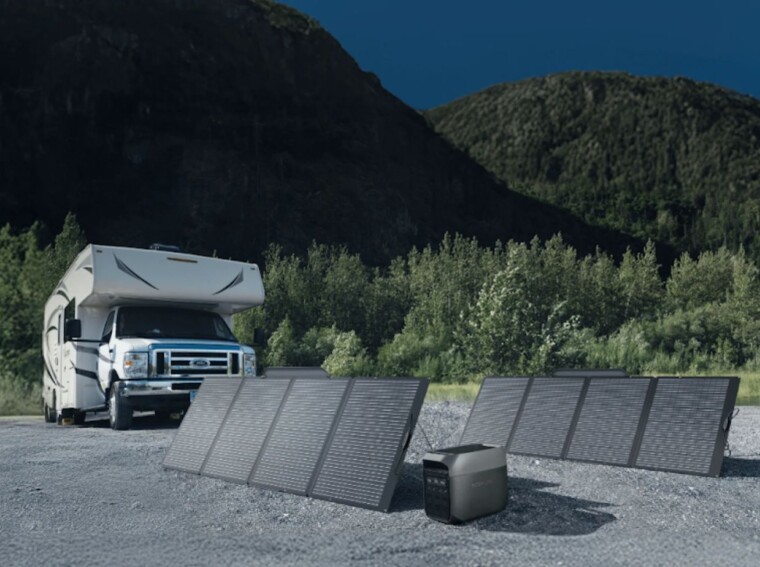
Portable battery-based systems store energy and deliver quiet, emission-free electricity. When paired with panels they are commonly called a solar generator. These systems recharge from the wall, a car outlet, or sun and provide clean AC power and multiple output ports for everyday devices. Many families appreciate the ease of use and the lack of fumes or loud noise.
Safety and indoor use: a decisive difference
One of the clearest safety distinctions is emissions. Fuel generators produce exhaust that contains carbon monoxide, a colorless, odorless gas that can be lethal if a generator is used indoors or too close to a home. Misplaced or improperly ventilated units have caused serious incidents, so users must be diligent about placement and ventilation.
Battery systems do not emit exhaust and can be used indoors safely when they are certified and used according to instructions. For households with young children, elderly members, or people sensitive to indoor air quality, this is a major advantage. Choosing a system that allows safe indoor operation reduces the need to worry about carbon monoxide and simplifies planning during an outage.
Noise and quality of life
Noise matters when you have a sleeping baby, a home office, or close neighbors. Combustion generators often run at levels that many people find intrusive. Long-running noise can increase stress during multi-day outages and may lead to neighbor complaints in dense areas.
Battery systems are quiet during normal use. They may produce a low hum from fans or electronics, but this is typically comparable to a refrigerator rather than a lawn mower. If you value a peaceful environment during an outage, a battery-based solution will often be less disruptive.
Performance: raw power, surges, and run time
Fuel generators typically provide higher continuous and peak power for a lower upfront cost. That makes them well suited to heavy loads such as central air conditioners, electric heaters, or large well pumps. If your house depends on high-wattage appliances during outages, a fuel generator may be the only practical option.
Battery systems are improving rapidly. Many portable power stations can run essentials such as refrigerators, lights, medical devices, and electronics for hours or even a day depending on battery capacity and load. Pairing batteries with solar panels allows daytime recharge so you can stretch autonomy across several days. For many families, a battery plus solar configuration covers phones, lights, refrigeration, and cooking appliances sized for low to medium draw.
When evaluating performance, pay attention to two factors: continuous watts and surge watts. Some appliances require a high surge at startup. Make sure the chosen system can handle those peaks or plan to power high-surge devices separately.
Costs over time: upfront versus operating expenses
A common trade-off is initial cost versus ongoing cost. Fuel generators are generally less expensive to buy initially. However, they require ongoing fuel purchases, oil changes, and maintenance. Over many outages and years, fuel and upkeep add up.
Battery systems cost more up front per usable watt-hour, but operating costs are low. Solar recharge is effectively free once panels are in place and maintenance is minimal. If outages are frequent or you want a greener long-term solution, the lifetime cost of a battery plus solar setup can be competitive or even favorable.
To compare fairly, estimate how often outages occur, how long they last, and how many kilowatt-hours you will use over a multi-year period. That will show whether fuel expenses or a higher initial investment make more sense for your household.
Maintenance, storage, and convenience
Fuel generators require fuel storage and regular mechanical upkeep. You need to run the engine periodically, change oil, and address wear on parts. Fuel that sits unused for long periods can degrade and cause problems. Safe fuel storage is also a logistical issue, especially in urban settings or where homeowner rules restrict storage.
Battery systems require less routine mechanical maintenance. Batteries have rated life cycles and their performance slowly declines, but modern systems include battery management and safety features that simplify care. For families that prefer low upkeep, battery systems are appealing. They can be stored indoors and readied quickly when needed.
Environmental and neighborhood impact
If reducing emissions or community disruption matters, battery systems paired with solar have the edge. There are no fumes and noise is minimal. Recharging with renewable energy reduces greenhouse gas emissions compared to repeated gasoline use. For households that value sustainability, this is a strong point.
A gas generator can affect relationships with neighbors during long outages because of noise and smell. In some communities, noise restrictions or homeowner association rules may limit generator use. If neighborhood harmony is important, consider how visible and audible your backup system will be.
Typical family scenarios and recommended approaches

Short outages and occasional use
If outages are brief and infrequent, a small, inexpensive gas generator can quickly restore power to a refrigerator or serve as a charging source. However, follow safety guidance: place the unit well away from doors and windows and never run it indoors. For occasional users, the lower purchase price may be attractive.
Frequent outages and comfort priorities
For families who face repeated outages and want safe indoor power for medical devices, refrigeration, lights, and some cooking, a portable battery system with solar recharge is practical. It removes the need to handle fuel and reduces carbon monoxide risk. The quiet operation and low maintenance also improve comfort during extended outages.
Whole-house or heavy loads
If you need to run central HVAC, electric ranges, or other high-draw appliances, a larger fuel generator or professionally installed standby generator may be required. These systems are designed for continuous heavy loads, though they come with higher installation costs and ongoing maintenance. In some cases, a hybrid approach makes sense: a standby generator for heavy loads and a battery system for quieter, indoor needs and sensitive electronics.
How to choose: a simple decision checklist
- List essential loads with wattage and expected hours of use.
- Decide whether indoor operation is necessary. If yes, lean toward battery solutions.
- Consider noise sensitivity and neighborhood rules.
- Estimate frequency and duration of outages.
- Compare total cost including fuel, maintenance, and possible solar panels.
- Factor in safety risks like carbon monoxide and fuel storage needs.
- Plan for redundancy: an extra small power bank or additional panel can be useful.
Build a basic load list on paper or in a spreadsheet. Tally the device wattage multiplied by hours to estimate daily kilowatt-hours. Then compare that to the rated battery capacity and expected recharge rate from solar or other inputs. Add a safety margin of 15 to 25 percent to avoid surprises.
Final thoughts
There is no single right answer for every family. Fuel generators remain practical for very high power needs and for users who prefer a lower purchase cost and effectively limitless runtime as long as fuel is available. But for many households, the combination of safety, quiet operation, low maintenance, and renewable charging makes portable battery systems — commonly referred to as solar generators when paired with panels — the more attractive option for everyday backup and small to medium outages.
If safety and household comfort are priorities, begin with a battery system sized for your essentials and consider adding solar panels for extended autonomy. If you require continuous, heavy power, evaluate a fuel generator or a hybrid approach while paying close attention to ventilation, placement, and noise mitigation.