

Social casino platforms have come a long way from their early click-and-spin mechanics. Over time, developers have created clever systems to keep users returning, without using traditional financial models. These platforms offer structured experiences that resemble games of skill and timing. With elements like progression systems, loyalty rewards, and themed collectibles, modern social casinos provide a continuously evolving digital space. Sweepspot is the newest online social casino that offers free play, no money required!
Features That Redefined the Experience
A well-designed social casino thrives on interaction, variety, and consistency. These platforms rely on features that extend engagement and offer small rewards as motivation. A prime example of this design approach appears in Smiles Casino, a sweepstakes-based social casino developed with a focus on smooth operation and responsive features. It uses a dual-coin system. Gold Coins represent a play-for-fun experience. Smile Coins function under a legal sweepstakes model and can be obtained through promotional means for those who prefer redeemable outcomes.
One standout aspect lies in how these features work in harmony. Instant play without downloads ensures seamless access on computers, tablets, and phones. The rotating game collection introduces new themes and gameplay twists, which helps maintain user interest over time. Each game runs on RNG (Random Number Generator) technology, which ensures unpredictability and fairness. These additions frame the activity around digital exploration and structured game loops rather than pressure-driven interactions. With tools such as self-exclusion settings and session timers, the environment supports sustained interaction through transparent boundaries.
Stars and Their Symbolic Value
Stars serve as virtual status markers across many social casino platforms. They symbolize milestones and personal accomplishments without relying on rankings. A user might receive stars for completing levels, unlocking achievements, or simply returning over consecutive days. These stars rarely carry direct function within games but deliver visual recognition, which encourages longer interaction sessions. Developers often place these stars in leaderboards, collections, or avatars to reflect progress and time spent on the platform.
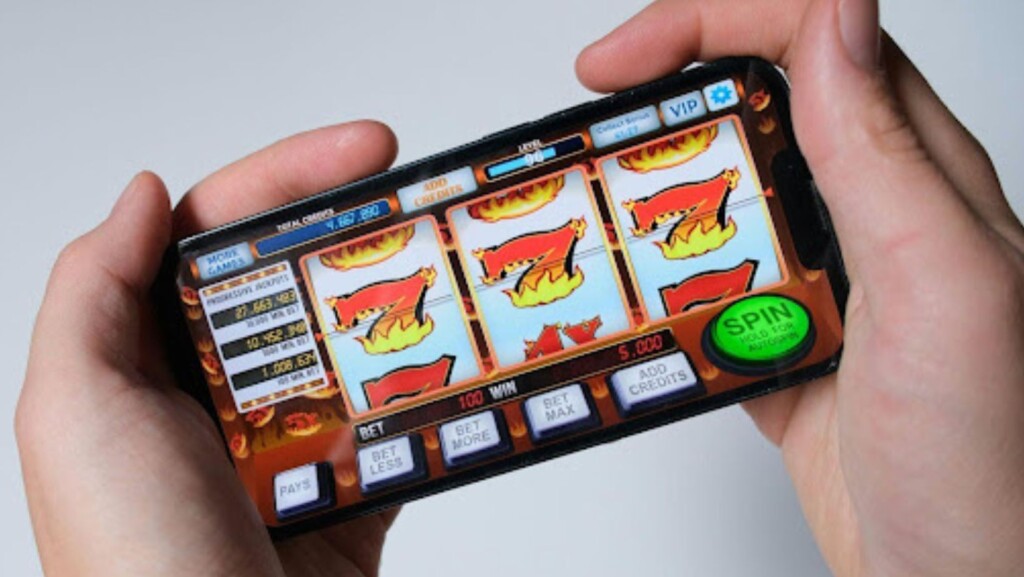
The more stars someone gathers, the more personalized their screen begins to look. It becomes a digital expression of involvement, without converting to any redeemable prize. The aesthetic changes based on how many stars have been earned. These small visual shifts feel like badges or pins from a trip, which subtly document the user’s virtual path. Over time, this creates a light sense of legacy within the system. Although stars may seem cosmetic, they anchor the experience and bring a sense of order that shapes individual sessions.
Coin Drops and Visual Momentum
Coin Drops create kinetic moments that stand out from regular activity. These animations appear suddenly, raining virtual coins across the screen in an exaggerated, game-show style. They often follow triggers like matching symbols or completing objectives. Coin Drops provide a temporary sense of climax and movement within the overall rhythm. They turn static sessions into moments of heightened visual activity, without suggesting any actual prize or outcome outside the platform.
Different games handle Coin Drops in various ways. Some slow down the animation, while others introduce screen-shaking effects or surround sound cues. These design choices contribute to the illusion of a surprise without modifying the nature of the outcome. Coin Drops rely on sensory design more than mechanics. That balance allows users to feel like something special occurred, even when the session continues in the same direction. These features act as momentum markers, placed to break routine and reinforce interaction patterns.
Daily Streaks and Structured Return Loops
Daily streaks represent a methodical approach to user retention. These systems track consecutive logins and build toward unlockable digital rewards. The longer the streak, the more elaborate the prize may become. These mechanics reward consistency rather than outcomes within the actual games. Daily streaks often reset if a day is missed, which introduces a gentle pressure that stays within the rules of structured gaming.
Some streak systems offer tools that help keep progress intact. These include “streak savers” or extra grace periods for returning after a missed day. Over time, these features condition users to check in regularly, even for short bursts of time. This recurring structure becomes part of the routine. The streak reflects a commitment to the platform, not just to any one activity. It forms a bridge between brief interactions and long-term engagement, framed entirely around timing and presence.
What Keeps the System Ticking
The combination of stars, Coin Drops, and streak rewards creates a reliable formula. Each part plays a different role. Stars highlight long-term recognition. Coin Drops offer immediate satisfaction. Daily streaks bring regularity. Together, they shape the overall pattern of activity on social casino platforms. None of them promise outcomes beyond the system’s own framework.
Developers continue to refine how these systems interact. New animations, sound designs, and mini-features expand the base mechanics. Feedback from within the platforms shapes how often features appear and how strongly they connect to progression. The entire structure operates with a clear set of internal rules. That helps guide development without external pressure. Through these structured systems, platforms keep evolving while staying true to the core idea of digital engagement based on timing, style, and presence.
Staying in the Loop Without Losing the Thread
The steady repetition of features like stars, coin drops, and streaks introduces a kind of rhythm that supports casual engagement without pulling focus away from the activity itself. Instead of pulling users in multiple directions, these elements create a sense of cohesion that invites interaction without pushing for it.
Over time, the loop becomes less about reaching a destination and more about maintaining a steady pattern.. As the system responds to presence, not pressure, it turns short sessions into small continuations of an ongoing thread rather than isolated bursts with no memory.