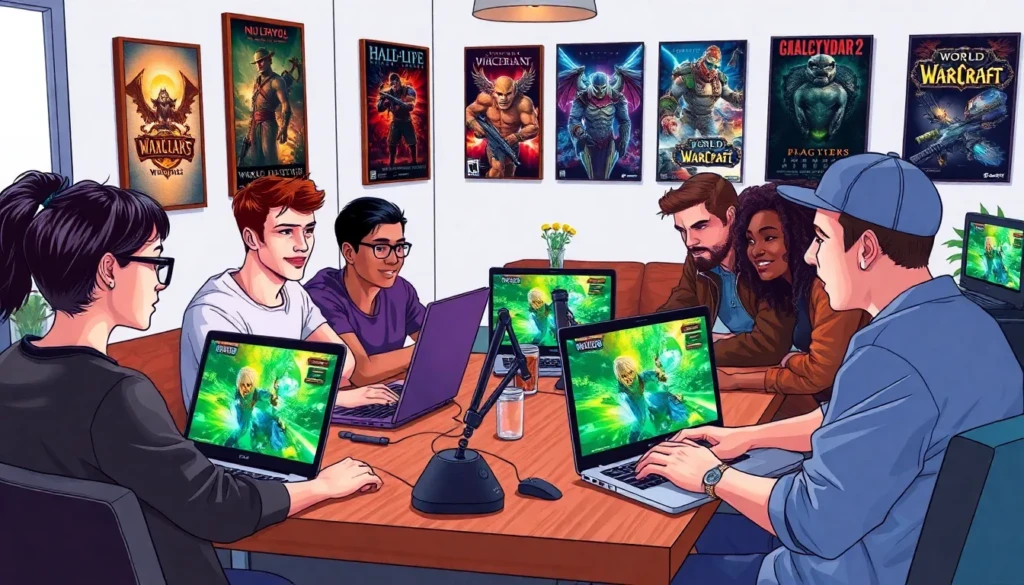
The 2000s were a golden era for PC gaming, a time when pixelated heroes and pixelated villains battled for supremacy on screens everywhere. From epic RPGs to mind-bending puzzle games, this decade delivered a treasure trove of unforgettable experiences that shaped the gaming landscape. Who could forget the thrill of clicking away in a world where your biggest challenge was keeping your computer from overheating?
As nostalgia kicks in, it’s hard not to chuckle at the quirky graphics and over-the-top storylines that defined this period. Whether players were exploring vast fantasy realms or solving mysteries in pixelated towns, 2000s PC games offered a unique blend of creativity and chaos. Dive into this whimsical journey down memory lane and discover the titles that made gaming history—and maybe even reignite the urge to dust off that old desktop.
The 2000s marked a transformative period in PC gaming. Developers introduced captivating gameplay mechanics, innovative technologies, and rich narratives. Classic franchises solidified their presence, with series like The Sims and Half-Life expanding into new realms of storytelling and engagement.
Visual enhancements played a significant role during this decade. Numerous titles embraced 3D graphics, pushing the boundaries of what was possible on personal computers. Games such as Doom 3 and Far Cry showcased cutting-edge visuals, immersing players in expansive, lifelike environments.
Genres flourished with diversity, attracting various audiences. Role-playing games (RPGs) like World of Warcraft revolutionized online gaming, fostering vibrant communities and establishing the model for future MMORPGs. Strategy games, including Civilization IV, offered complex decision-making and tactical depth that kept players engaged for hours.
Game distribution saw a shift as well. Digital platforms emerged, making it easier for developers to reach audiences. Steam debuted in 2003, creating a marketplace where gamers discovered and purchased titles seamlessly. Independent developers thrived in this environment, offering unique experiences that stood beside mainstream releases.
Cultural impacts were profound during the 2000s. Games became a dominant form of entertainment, influencing popular culture and even education. Titles explored themes like morality, identity, and society, provoking thought and discussion among players. As technology and creativity evolved, so too did the landscape of PC gaming, solidifying the 2000s as a significant era in gaming history.
Key Genres of 2000s PC Games
The 2000s featured a variety of engaging genres that defined the PC gaming landscape. These genres showcased creativity and innovation, attracting dedicated player bases.
Action and Adventure
Action and adventure games captured players’ attention with immersive gameplay and dynamic storytelling. Titles like Half-Life 2 and Prince of Persia: The Sands of Time introduced intricate combat mechanics and compelling narratives. Various characters embarked on thrilling quests, facing formidable foes and solving challenging puzzles. The blend of action-packed sequences and exploration made these games memorable. Graphics enhancements, especially in 3D environments, deepened player immersion. These titles often combined elements of platforming and resource management, creating varied gaming experiences.
Role-Playing Games (RPGs)
RPGs flourished in the 2000s, allowing players to engage with rich narratives and expansive worlds. World of Warcraft revolutionized online multiplayer experiences, fostering a sense of community through quests and guilds. Players explored intricate storylines that offered choices impacting outcomes. The Elder Scrolls III: Morrowind made a significant impact with its open-world design and deep lore. Unique characters possessed distinctive abilities, enhancing gameplay depth. Building intricate character progression systems promoted player investment. These immersive worlds blurred the lines between reality and fantasy, promoting long hours of engagement.
Strategy Games
Strategy games experienced significant evolution during the 2000s, emphasizing complex decision-making and resource management. Civilization IV stood out for its intricate mechanics and engaging multiplayer elements. Players commanded nations, balancing diplomacy and warfare for success. Real-time strategy games like Age of Empires III offered fast-paced battles and strategic depth. Players developed tactics while managing resources and constructing empires. The genre challenged players to think critically, reinforcing strategic thinking. Enhanced AI capabilities contributed to deeper gameplay, setting a high standard for future titles.
Iconic Titles of the Decade
The 2000s produced numerous iconic PC games that defined a generation and captivated players worldwide.
Half-Life 2
Half-Life 2 emerged as a groundbreaking first-person shooter in 2004. It featured an engaging story and advanced physics, creating a truly immersive experience. Players navigated through dystopian environments while using innovative tools like the Gravity Gun. This title combined action with puzzle-solving, emphasizing player agency in storytelling. Half-Life 2’s influence resonated throughout the gaming industry, earning critical acclaim and numerous awards. Its character development and memorable moments set a new standard for narrative in video games.
World of Warcraft
World of Warcraft debuted in 2004 and quickly transformed online gaming. It established itself as a massive multiplayer online role-playing game (MMORPG) that fostered a vibrant community. Players explored the expansive world of Azeroth, teaming up for quests and raids. This game introduced compelling storytelling and rich lore, keeping players engaged for years. World of Warcraft set benchmarks for user interfaces and player interactions, inspiring countless other MMORPGs. Its cultural impact extended beyond gaming, influencing media and even creating a dedicated esports scene.
The Sims 2
The Sims 2 launched in 2004, revolutionizing life simulation games. Players created unique characters and guided their lives, making choices that shaped their stories. This sequel expanded on its predecessor with intricate customization options and in-depth gameplay mechanics. Relationships and aspirations added layers of complexity, deepening the emotional engagement. The Sims 2 garnered critical and commercial success, establishing a franchise that remains popular today. Its innovative approach to simulation and storytelling captivated players, giving them a sandbox to explore their creativity.
The Evolution of Graphics and Gameplay
The 2000s heralded a significant evolution in PC gaming, characterized by advanced graphics and gameplay mechanics. Developers embraced 3D technology, enabling games to offer rich, immersive environments. Titles like Doom 3 showcased realistic lighting effects and detailed textures, pushing the visual quality of games to new heights.
Gameplay mechanics also saw remarkable advancements during this decade. The introduction of physics engines allowed for more interactive and dynamic worlds, significantly enriching player experiences. Players navigated complex puzzles and engaging storylines in games such as Half-Life 2, where every element came alive with advanced AI behaviors and realistic movements.
Innovations in graphics often translated into broader narratives. The Sims 2 enhanced player engagement through deeper character customization, allowing individuals to shape unique stories within vibrant neighborhoods. Immersive role-playing experiences emerged with World of Warcraft, connecting players globally and fostering a dynamic online community.
Contrasting genres flourished, with real-time strategy games like Age of Empires III enhancing community interaction through cooperative gameplay. Civilization IV emphasized strategic depth, challenging players to balance resources and decisions in a historical context. This variety provided players with more choices than ever before, driving creativity within the gaming landscape.
Digital distribution platforms revolutionized how players accessed games. The introduction of Steam in 2003 made it simpler for independent developers to reach audiences, expanding the library of available titles. With an array of games from various genres, players explored artistic concepts and innovative gameplay.
The period also marked a cultural milestone as PC games influenced both popular culture and education. Themes of morality, identity, and society reflected the evolving landscape of human interaction, resonating with players worldwide. These transformations highlighted the growing significance of the 2000s in shaping the future of gaming.
Cultural Impact of 2000s PC Games
PC games from the 2000s deeply influenced popular culture, changing how people view gaming as a form of entertainment. Titles like World of Warcraft set new standards for online interactions, fostering communities and friendships among players. This decade encouraged people to connect and socialize in virtual spaces, shaping relationships that extended beyond the screen.
Themes of morality and identity in games resonated with players, provoking thought and discussion. Games like The Sims 2 allowed individuals to explore various life scenarios, reflecting real-life choices and social issues. The impact of these narratives went beyond gaming, informing discussions in education and psychology.
The graphics advancements of this era revolutionized both storytelling and gameplay. Enhanced 3D visuals captivated audiences, turning games into immersive experiences. Titles such as Half-Life 2 marked milestones in interactive entertainment, illustrating the potential of engaging narratives combined with cutting-edge technology.
Digital distribution platforms like Steam transformed game accessibility. With a vast library at players’ fingertips, independent developers thrived, introducing innovative concepts that challenged mainstream norms. This change democratized game development, creating diverse offerings that catered to varied interests.
Classic franchises cemented their legacies during this time. The enduring popularity of RPGs, such as The Elder Scrolls III: Morrowind, showcased the appeal of expansive worlds and complex lore. Strategy games like Civilization IV engaged players in critical thinking and resource management, elevating the gaming experience.
Overall, the cultural impact of 2000s PC games extended far beyond mere entertainment. This era shaped conversations around technology, community, and storytelling, leaving a lasting legacy still felt in today’s gaming landscape.
Conclusion
The 2000s stand out as a pivotal decade for PC gaming that shaped the industry’s future. With innovative gameplay mechanics and stunning graphics, this era laid the groundwork for the immersive experiences players enjoy today. The emergence of iconic titles and franchises not only captivated audiences but also fostered vibrant gaming communities.
As players look back on this golden age, the nostalgia for classic games remains strong. Revisiting these titles can evoke cherished memories and remind gamers of the creativity and storytelling that defined the decade. The impact of 2000s PC games continues to resonate, influencing both developers and players in the ever-evolving landscape of gaming.
We use cookies on our website to give you the most relevant experience by remembering your preferences and repeat visits. By clicking “Accept”, you consent to the use of ALL the cookies.
This website uses cookies to improve your experience while you navigate through the website. Out of these, the cookies that are categorized as necessary are stored on your browser as they are essential for the working of basic functionalities of the website. We also use third-party cookies that help us analyze and understand how you use this website. These cookies will be stored in your browser only with your consent. You also have the option to opt-out of these cookies. But opting out of some of these cookies may affect your browsing experience.
Necessary cookies are absolutely essential for the website to function properly. These cookies ensure basic functionalities and security features of the website, anonymously.
Cookie
Duration
Description
cookielawinfo-checkbox-analytics
11 months
This cookie is set by GDPR Cookie Consent plugin. The cookie is used to store the user consent for the cookies in the category "Analytics".
cookielawinfo-checkbox-functional
11 months
The cookie is set by GDPR cookie consent to record the user consent for the cookies in the category "Functional".
cookielawinfo-checkbox-necessary
11 months
This cookie is set by GDPR Cookie Consent plugin. The cookies is used to store the user consent for the cookies in the category "Necessary".
cookielawinfo-checkbox-others
11 months
This cookie is set by GDPR Cookie Consent plugin. The cookie is used to store the user consent for the cookies in the category "Other.
cookielawinfo-checkbox-performance
11 months
This cookie is set by GDPR Cookie Consent plugin. The cookie is used to store the user consent for the cookies in the category "Performance".
viewed_cookie_policy
11 months
The cookie is set by the GDPR Cookie Consent plugin and is used to store whether or not user has consented to the use of cookies. It does not store any personal data.
Functional cookies help to perform certain functionalities like sharing the content of the website on social media platforms, collect feedbacks, and other third-party features.
Performance cookies are used to understand and analyze the key performance indexes of the website which helps in delivering a better user experience for the visitors.
Analytical cookies are used to understand how visitors interact with the website. These cookies help provide information on metrics the number of visitors, bounce rate, traffic source, etc.
Advertisement cookies are used to provide visitors with relevant ads and marketing campaigns. These cookies track visitors across websites and collect information to provide customized ads.