

Community-driven gaming platforms didn’t rise by accident. More players have started leaning toward spaces where they can actually take part, not just play and log off. There’s a clear shift in what people expect: being involved, sharing opinions, and seeing those ideas matter.
These platforms feel different because they’re shaped by the people using them. Players swap tips, build communities, and even influence how games develop over time. That kind of interaction keeps things active and gives players a reason to stay.
Easier Access to Information and News
One of the main reasons community-driven gaming platforms keep growing is simple: players get information faster and in a more useful form.
Instead of waiting for official updates that often arrive late or skip over details, gamers turn to each other. People share what they’ve seen in real time, whether it’s a patch change, a hidden mechanic, or something that suddenly feels off during gameplay.
This works because the flow of information is constant. Someone tests a new feature, posts about it, and within minutes, others add their own findings. It’s direct, practical, and based on actual play, which makes it easier to trust. Players don’t have to dig through long announcements or vague notes; they get straight to what matters and adjust how they play.
A good example is Zero1Gaming.com, a platform built by gamers who focus on sharing clear, usable insights. It brings together reviews, breakdowns of mechanics, and updates on new releases in one place. The content feels grounded because it comes from people who actively play, rather than from polished summaries that leave questions unanswered.
You see a similar pattern on platforms like Reddit, where gaming communities quickly break down updates or flag issues others might miss. A single thread can turn into a detailed guide within hours, with players comparing notes and refining information as they go. That kind of back-and-forth keeps the information fresh and makes it easier for anyone to stay up to date without relying solely on official channels.
Fostering Genuine Social Connections Among Players
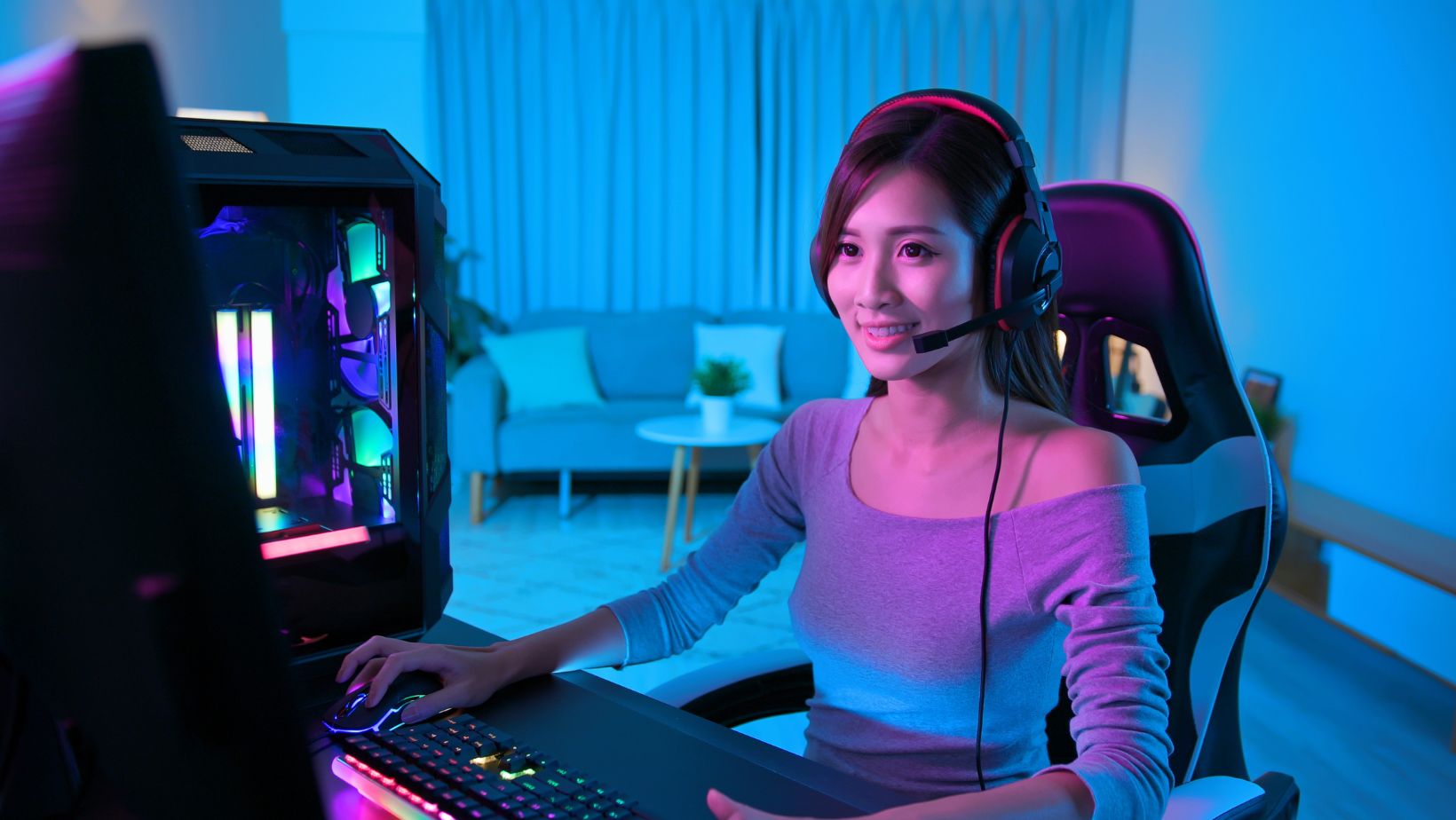
Community-driven platforms tend to keep people around because they make interaction feel natural. Players don’t just log in to complete a task and leave; they stay to talk, team up, and return to the same groups over time. What starts as a quick match often turns into a regular habit, especially when familiar names keep showing up.
The structure plays a big role here. Built-in chat, shared spaces, and simple ways to join others remove most of the friction.
People connect on the spot, and over time, those small interactions add up. It’s common to see players who met randomly continue playing together weeks or even months later.
That sense of continuity changes how games are experienced. It stops feeling like a series of isolated sessions and becomes more like a shared space. For many, that’s what keeps them engaged long-term.
Sparking Innovation Through User-Created Content
These platforms move faster because they don’t rely on a single development cycle. Players build, test, and adjust ideas as they go, often in real time. One person creates something, others try it, and feedback comes in almost immediately. That loop keeps things moving without long delays.
You can see it in how quickly new content appears. Custom maps, altered game modes, or entirely new setups can spread across a platform within days. Some ideas fade out quickly, while others gain traction and become part of regular play. The process feels less controlled, but it often leads to more variety.
What makes this work is the number of people involved. Instead of a small team deciding what comes next, thousands of players are experimenting at once. That constant input keeps the experience from going stale and gives players a reason to keep checking back.
Addressing Common Concerns in Gaming Communities
Open platforms come with their share of issues. When large groups interact freely, problems like toxic behavior or low-effort content can show up. Left unchecked, those things can push people away.
Most platforms deal with this by keeping moderation simple and visible. Reporting tools, basic filters, and active oversight help keep things in check without slowing everything down. The goal isn’t to control every interaction, but to stop the worst cases from taking over.
Players notice when that balance is handled well. A space that feels fair and manageable is easier to stay in. When people trust the environment, they’re more likely to contribute, which keeps the platform active and stable.
Where the Momentum Is Coming From
The steady growth of these platforms isn’t random. It comes from how well they match what players are looking for right now: more involvement, quicker feedback, and a sense that their time matters.
Players now look for spaces where they can take part, connect with others, and see results from their input. Platforms that support that approach continue to attract attention, while more traditional setups struggle to keep the same level of engagement.
The result is a gaming environment that feels more active and less fixed. Things change often, communities evolve on their own, and players have a clearer role in what happens next.