
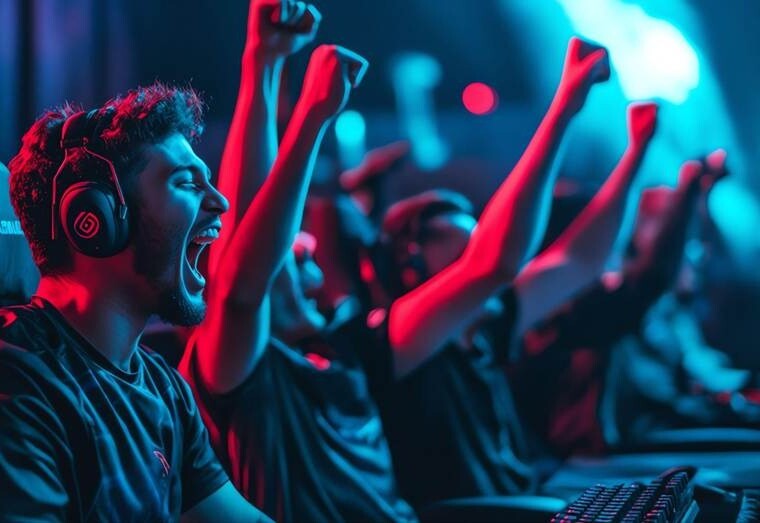
In recent years, eSports has rapidly grown from a niche interest into a major cultural and economic force. Once limited to gaming communities and small LAN events, competitive gaming has evolved into a global spectacle. Tournaments now attract millions of viewers, and professional players have become celebrities in their own right. For students, especially those studying at high-achieving institutions like the University of Cambridge, the appeal of eSports runs deeper than entertainment. It offers structure, competition, and a vibrant community that mirrors many aspects of academic life. Whether students are watching, playing, or engaging in live predictions, platforms such as Merkur Xtip provide a space to interact responsibly with the world of eSports.
eSports and the Student Brain
Students are constantly navigating environments that demand critical thinking, fast learning, and adaptability. These same qualities are essential for success in eSports. Strategy-based games like League of Legends, StarCraft, and Dota 2 require players to master complex systems, make decisions quickly, and anticipate the moves of others. The mental rigor involved is not unlike preparing for a debate, writing a detailed essay, or analyzing a research problem.
The parallels between academic study and high-level gameplay are easy to see. Many students are naturally drawn to the kind of challenge that competitive gaming provides. It is not simply a way to unwind after lectures. For many, it becomes a space for skill development, mental stimulation, and even identity formation.
Learning Through Play
While traditional academics emphasize reading and theoretical analysis, eSports teaches through action and feedback. Players learn from trial and error, reviewing their performances and adjusting their tactics. This experiential form of learning can be deeply satisfying, particularly for students who thrive in problem-solving scenarios.
Moreover, the feedback loop in gaming is immediate. A decision made in one moment can lead to success or failure within seconds, offering instant insight. This contrasts with academic feedback, which can often take days or weeks. The immediacy of gaming outcomes can help reinforce learning, build focus, and train students in time-sensitive decision-making.
A Sense of Community Beyond the Lecture Hall
University life can be both exciting and isolating. Moving to a new city, meeting unfamiliar people, and adapting to a new pace of life can leave students searching for belonging. eSports communities offer a sense of inclusion and familiarity. Whether it is through university gaming clubs, online forums, or Twitch chatrooms, students find spaces where they can connect over shared passions.
These communities often become social anchors. Matches, tournaments, and live events give students opportunities to gather, watch, and discuss. For those who struggle with traditional social settings, gaming offers a way to engage on their own terms. It also supports a wide range of roles — not everyone has to be a top player. Some students enjoy being spectators, commentators, or community organizers.
The Evolution of Interactive Platforms
Alongside the rise of eSports has come the growth of platforms that allow fans to engage in new ways. One major development has been the integration of live predictions and betting features. These tools allow users to test their game knowledge, make informed decisions, and follow matches with increased focus.
However, as with any form of gaming or wagering, balance is essential. For students exploring these platforms, understanding limits and practicing moderation is key. Reputable sites take this responsibility seriously. Tools like session timers, educational prompts, and spending caps are designed to help users manage their involvement in a healthy and thoughtful way.
Rather than promoting high-stakes behavior, these platforms aim to enhance the experience of watching and understanding eSports. They support user agency and encourage critical thinking, which are valuable habits for students to develop both online and offline.
eSports as a Cultural Language
eSports is not only about games. It has become a cultural language. From memes to shoutcasters, from player rivalries to patch notes, the ecosystem surrounding eSports is rich with references, humor, and meaning. Students who participate in this culture are engaging with a modern form of expression that blends technology, entertainment, and creativity.
This culture also reflects larger shifts in how people relate to media. Unlike passive viewing, eSports invites interaction. Fans follow teams, debate strategies, and share insights. It becomes a way to practice communication, digital literacy, and community engagement.
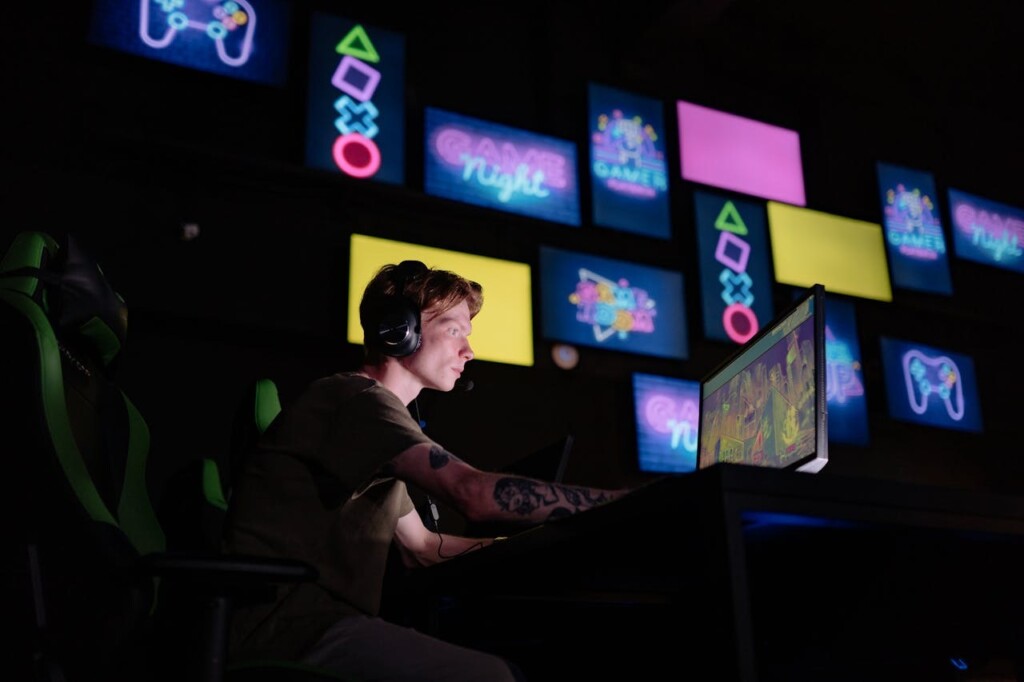
For students, this means eSports can play a role in shaping identity and values. It encourages strategic thinking, respect for diverse skillsets, and curiosity about evolving technologies. These are all qualities that align well with academic growth and future career readiness.
The Future of Student Participation
As eSports continues to expand, more universities are recognizing its significance. Some now offer eSports scholarships, research initiatives, or dedicated facilities. But even outside of formal programs, the impact is clear. Students are creating their own leagues, producing content, and exploring how gaming connects to broader issues like psychology, business, and ethics.
This intersection of play and purpose is what makes eSports so compelling to modern students. It is more than distraction or downtime. It is an evolving space where intelligence, emotion, and social connection meet.
Whether a student is competing in a local tournament, watching a high-stakes final, or exploring responsible betting options, they are part of a movement that reflects the values of curiosity, collaboration, and personal growth.
eSports speaks a language that today’s students understand. It rewards preparation, celebrates innovation, and builds community. And in doing so, it becomes more than a game — it becomes a platform for discovery.