
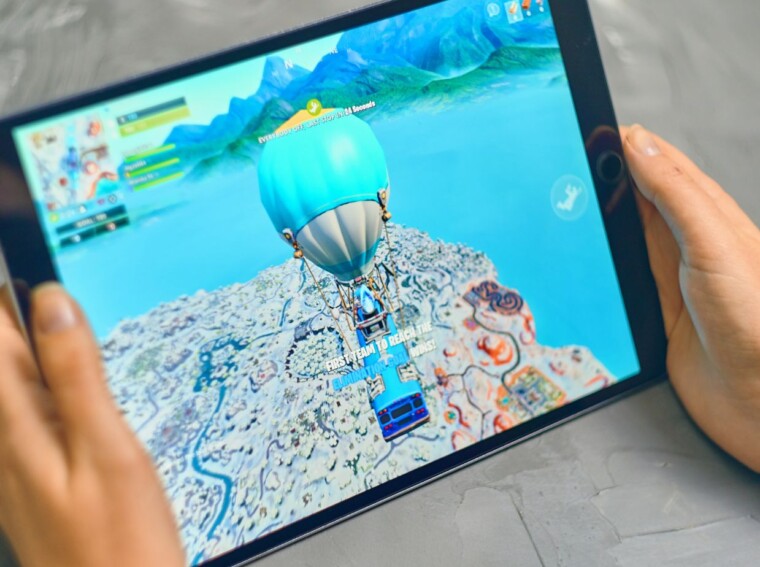
Not that long ago, relaxing usually meant watching TV, listening to music, or maybe playing a console game at home. Now, a lot of people unwind in a much simpler way – by playing quick online games whenever they have a few spare minutes. No setup, no commitment, no pressure to be good at it. Just play, pause, move on.
This shift didn’t happen by accident. Online games evolved to fit modern routines, and in the process, they became one of the easiest ways for people to switch their brains off, even briefly.
Relaxation Doesn’t Always Mean Doing Nothing
For many people, relaxing doesn’t mean sitting still. It means doing something light that keeps the mind busy without demanding too much focus. Online games hit that sweet spot. They’re interactive enough to distract you from stress, but simple enough that you don’t feel mentally drained afterward.
This is especially true for casual games. There’s no long tutorial, no storyline to remember, and no penalty for stopping mid-session. You play for a few minutes, get a bit of stimulation, and carry on with your day.
The Appeal of Short, Self-Contained Games
One big reason online games work so well for relaxation is how contained they are. A single round usually lasts seconds or minutes, not hours. That makes them perfect for breaks – waiting for food, sitting on transit, or winding down before bed.
Games with clear goals and instant feedback tend to be the most popular in these moments. You tap, spin, match, or click, and something happens right away. There’s no buildup, which keeps things light and satisfying.
Bright Colors, Simple Rules, Instant Feedback
Design plays a huge role in why certain online games feel relaxing instead of stressful. Bright visuals, smooth animations, and simple mechanics help create a sense of ease. You don’t need to remember complex controls or strategies. Everything is intuitive.
That’s why casual arcade-style games, puzzle games, and even slot-style games attract such wide audiences. For example, colorful, upbeat titles like the sweet bonanza slot game are often associated with light, low-effort play rather than intense competition. The focus is on visuals and rhythm, not mastery.
Escaping Without Disconnecting
Online games offer a form of escape that still fits into everyday life. You don’t need to block out an entire evening or commit to a long session. You can relax without fully checking out.
For people juggling work, studies, or busy schedules, that flexibility matters. A short game can provide a mental reset without becoming another obligation. That’s a big reason these games have become part of daily routines rather than special occasions.
Why Casual Play Feels So Natural Now
Smartphones, fast internet, and browser-based platforms removed most of the friction that used to come with gaming. There’s nothing to install, no hardware to set up, and no steep learning curve. You open a game, play, and close it when you’re done.

That accessibility changed expectations. Games are no longer seen only as hobbies or pastimes for long sessions. They’re tools for quick enjoyment, similar to scrolling social media or watching a short video.
Relaxation Looks Different for Everyone
Some people relax by competing. Others relax by zoning out. Online games cater to both, but casual titles lean heavily toward the second group. There’s no scoreboard pressure, no need to improve, and no real consequence for losing.
That freedom is what makes them appealing. You’re not trying to achieve anything big. You’re just enjoying the moment.
A Small Break That Makes a Difference
Online games won’t replace deeper forms of rest, but they don’t need to. Their role is smaller and simpler. They fill the gaps in the day with something pleasant and engaging, offering a brief pause from stress or boredom.
As life gets busier and attention spans get shorter, it makes sense that quick, colorful, low-pressure games have become a go-to way to relax. They ask very little – and for many people, that’s exactly the point.