
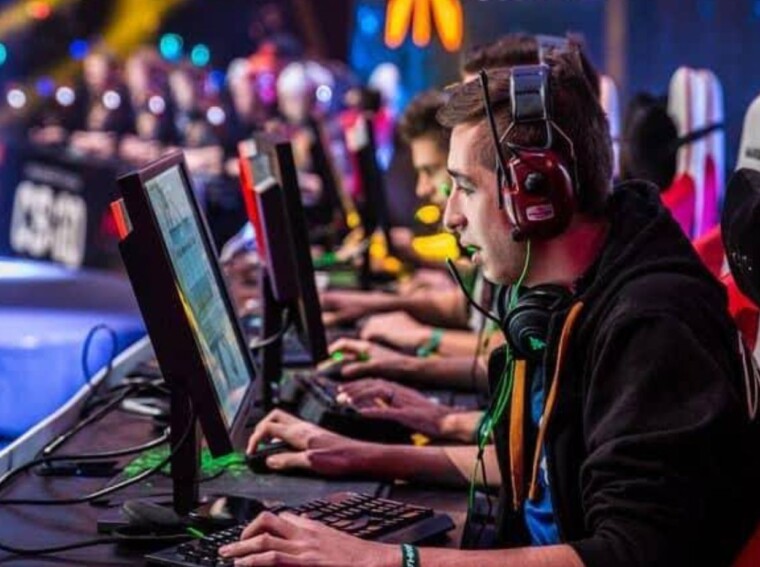
Competitive sports gaming in Colorado continues to expand as Madden, NBA 2K, and EA Sports FC players look for every possible edge in fast-paced tournament environments. The state’s grassroots events, college-level competitions, and regional LAN brackets have seen a notable rise in equipment expectations as organizers follow national esports standards for hardware quality, responsiveness, and reliability.
As Colorado competitors refine their setups and fans pay close attention to the monitors, controllers, and headsets each player brings into tournament play, many also look for small advantages outside the game itself, with Colorado sportsbook promos giving supporters a little more confidence in the odds they follow while staying engaged with both the equipment side of competitive gaming and the broader sports conversations happening across the state.
Players across Colorado now treat gear as a primary strategic asset, recognizing that the difference between a clean route in Madden, a green-release jumper in NBA 2K, or a timed-through ball in EA Sports FC often begins with the hardware that controls those mechanics.
High-refresh-rate monitors of 144Hz or higher, dependable pro controllers, and tournament-grade headsets are no longer optional, because even a fraction of input delay can determine whether a match swings in one player’s favor or slips away at the wrong moment.
Colorado’s local gaming cafés, college esports clubs, and independent tournament organizers increasingly require participants to show up with gear capable of handling modern sports gaming demands. That expectation continues to shape how dedicated competitors practice at home and how they prepare for events of all sizes throughout the state.
The Baseline Shift Toward High-Performance Gear
Colorado’s competitive sports-gaming community has undergone a major transformation as the minimum standards for acceptable gear continue to rise. Unlike casual environments where players might rely on standard televisions or low-refresh setups, Colorado tournaments now mirror national requirements that prioritize responsiveness and precision.
This shift spans every level of participation, from small in-person meetups to larger collegiate brackets that demand consistent hardware standards to keep competition fair. The evolution reflects a broader understanding that Madden, NBA 2K, and EA Sports FC gameplay hinges on reducing latency, improving visibility, and delivering precise control over complex mechanics that define modern sports titles.
Higher-quality gear became necessary because sports games run faster, animate more intricately, and rely heavily on frame-perfect decision-making. That reality pushes competitors to adopt tools that maintain parity during crucial moments.
High-Refresh-Rate Monitors in Colorado Competition
The requirement for 144Hz-or-higher monitors has grown rapidly in Colorado as more organizers move away from 60Hz displays that create noticeable input delay. Sports games benefit uniquely from high-refresh panels because animations update more smoothly, reactions feel more immediate, and player movement reads accurately during rapid sequences.
Colorado athletes training for Madden, NBA 2K, or EA Sports FC increasingly invest in monitors capable of maintaining stable performance during long tournament days, ensuring that both timing windows and mechanical precision remain intact regardless of venue. This upgrade has become standard across grassroots, collegiate, and regional qualifiers throughout the state.
The baseline of 144Hz developed because anything lower risks frame lateness that influences shooting, passing, and defensive reactions in modern sports titles.
Pro Controllers and Trigger Responsiveness in Competitive Play
Colorado players who specialize in sports gaming have shifted toward pro controllers that offer consistent trigger engagement and dependable thumbstick sensitivity.
Madden competitors rely on clean trigger pulls for acceleration, jukes, and defensive adjustments, meaning that inconsistent hardware can ruin an entire possession. NBA 2K players depend on stable stick angles for dribble packages and shot-meter timing, while EA Sports FC competitors need precise directional inputs for through balls and skill combinations.
These factors pushed tournaments across the state to encourage or require high-performance controllers at every stage of competition.
Trigger reliability shapes outcomes because misfires, missed presses, or wobbling sensitivity curves disrupt timing windows that determine success in sports games.
Tournament-Grade Headsets and Audio Isolation
Tournament-grade headsets now form part of the minimum gear Colorado players bring into LAN environments. Loud crowds, overhead commentary, and simultaneous matches occurring in nearby stations require strong audio isolation to maintain focus.
Madden, NBA 2K, and EA Sports FC competitors use high-quality headsets to identify subtle sound cues tied to play recognition, timing indicators, or spatial awareness. Tournament organizers across Colorado emphasize these headsets as a baseline requirement during in-person events as they maintain consistent communication and focus across varied environments.
Sound cues support split-second decisions in competitive sports gaming, so isolating those cues with dependable hardware can influence entire matches.
Home Practice Standards for Colorado Gamers
Colorado players preparing for tournaments now train at home using setups that match or exceed event-quality hardware. By practicing on 144Hz-or-higher monitors, pro controllers, and strong headsets, they build mechanical consistency that translates directly into live-match performance. These home setups help competitors anticipate tournament pacing, maintain timing for passes or shots, and adjust comfortably to long play sessions.

This preparation approach has become common as Colorado esports athletes recognize that familiar equipment can reduce stress and improve gameplay accuracy in high-pressure events.
Matching home and tournament environments ensures smooth transitions from private practice to competitive stages.
The Role of Colorado Gaming Cafés
Local gaming cafés across Colorado provide players with a midpoint between home practice and formal tournaments.
Many cafés offer 144Hz-or-higher monitors, reliable internet, and rentable pro controllers to accommodate players who want event-quality setups without investing immediately in every piece of equipment. This infrastructure introduces newer competitors to the standards expected at tournaments while giving experienced players a controlled space to refine their mechanics before upcoming brackets.
Cafés bridge the gap by offering consistent hardware that mirrors official competition environments across the state.
Growth of College-Level Esports Requirements
College-level esports programs in Colorado have embraced higher equipment standards as they build rosters for Madden, NBA 2K, and EA Sports FC. These programs understand that hardware consistency helps student competitors prepare for national collegiate events, many of which use standardized gear specifications.
As universities invest in dedicated gaming rooms, upgraded monitors, pro controllers, and headsets, they create a training environment that aligns with competitive expectations across the broader esports landscape.
Training students with regulation-grade hardware ensures smoother transitions into multi-state competitions.
Regional Qualifiers and Equipment Expectations
Regional qualifiers in Colorado maintain strict equipment expectations to ensure technical fairness. Organizers across these events verify that participants bring gear capable of supporting modern sports titles, especially when matches progress toward high-stakes brackets. Competitors adjusting to these standards prepare by upgrading their setups early in the season to avoid tournament-day disadvantages.
Consistency ensures that each competitor faces identical responsiveness conditions throughout all rounds.
The Strategic Side of Hardware in Esports
Players in Colorado increasingly view hardware as part of the competitive strategy rather than a simple accessory. Whether dealing with fast-break transitions in NBA 2K, rapid play-calling in Madden, or last-second passes in EA Sports FC, athletes understand that tactical execution depends on precise hardware control.
Investing in stronger monitors, controllers, and headsets becomes an extension of skill-building, offering edges that help them stay competitive in rapidly evolving brackets.
Gear is considered strategic because it supports mechanical consistency that influences outcomes in fast-paced sports titles.
How Colorado Players Adjust to Higher Standards
Colorado competitors adapt to these elevated standards by gradually upgrading their equipment, testing new products at gaming cafés, and aligning practice routines with tournament environments.
This shift reflects a statewide culture of preparation where hardware quality supports confidence during tight matches. The overall commitment to high-grade gear demonstrates how essential responsive displays, pro-level controllers, and isolated audio have become for sports gamers seeking long-term success.
Adaptation occurs as players evaluate gear performance, refine their loadouts, and align with statewide expectations for modern competition.