
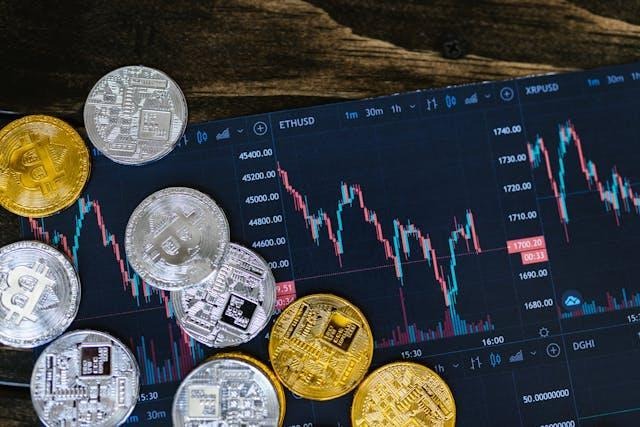
Crypto used to be the quirky extra option at the cashier. Now it sits right next to cards and e-wallets on many casino sites, and for plenty of regulars, it feels like the most natural way to move money in and out. That shift raises a simple question: if so many coins exist, do some of them genuinely fit iGaming better than others?
Why the choice of coin matters more than it seems
On the surface, any coin that travels from one wallet to another looks fine. Underneath that, each network has its own rhythm. Block times, fees, congestion, and how well a casino has integrated a coin all change how deposits and withdrawals feel.
Bitcoin, Ether, Solana, Litecoin, Tron, and various gaming-focused tokens all sit under the same broad label. In practice, they create very different experiences at the cashier. One coin may feel ideal for a big monthly deposit, another for small, frequent top-ups, and a third for quick withdrawals after a good session.
How players actually use crypto in online casinos
For many players, convenience is the main driver. Cards often mean extra checks, declined payments, or bank statements filled with merchant codes that look awkward. A simple wallet transfer feels cleaner and more under personal control.
A growing number of casino regulars now merely prefer crypto to place their wagers, particularly after they spend time with unbiased breakdowns of Bitcoin-focused sites that compare licenses, payout times, and game libraries side by side. That kind of guide helps people treat casino choice like any other product decision, with clear information on who runs the site, how payments work, and what to expect when it is time to cash out.
Speed, fees, and comfort at the cashier
When someone gets used to crypto, small details matter. Deposits that land in minutes feel different than those that wait in a pending state during a match. Low micro-stakes fees are acceptable, but high network costs can dull casual betting.
Bitcoin remains the best-known name and still suits larger, less frequent deposits for many users. Faster networks such as Litecoin, Solana, or Tron often feel more comfortable for regular, smaller amounts because confirmations tend to arrive sooner and fee levels stay modest in day-to-day use.
Stablecoins on quicker chains sit in the middle: they behave like familiar currencies while still moving through crypto rails, which appeals to players who like digital wallets but do not want their entertainment budget to swing with the market.
Volatility, bankroll, and peace of mind
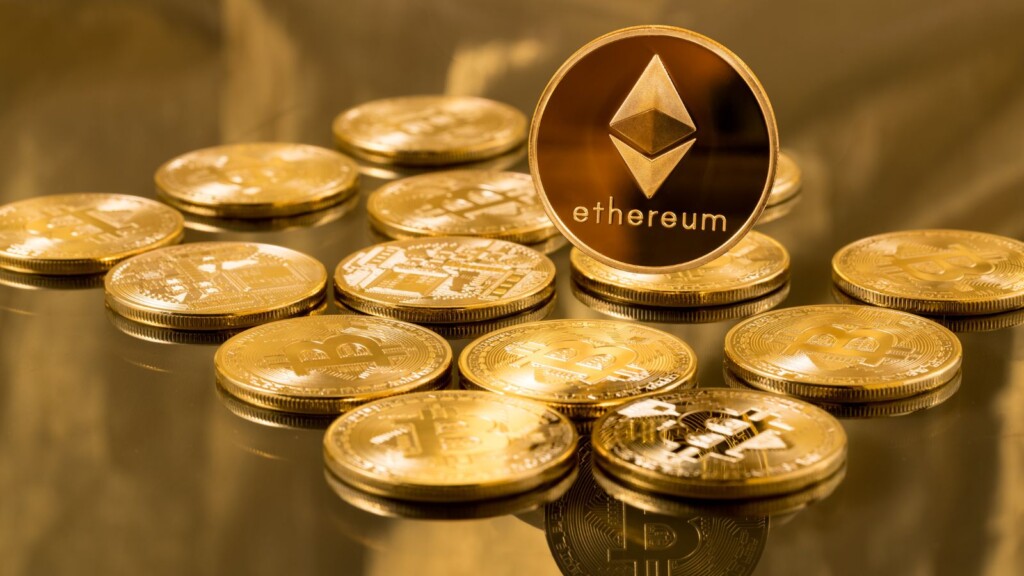
Price swings are one of the big differences between coins. Holding a casino balance in Bitcoin or Ether means the value of that balance can rise or fall with the wider market. Sometimes that feels like a pleasant surprise. Other times, it can make a perfectly normal run of results feel worse because the underlying coin has also dipped.
Most of that layer is gone with stablecoins. A dollar-pegged token balance stays close to the amount that went in, making it easier to match deposits to a monthly entertainment budget. Even if they keep more volatile coins in a separate long-term wallet, strict limit players like that predictability.
Privacy, compliance, and reputation
Crypto often appeals to people who prefer fewer financial products on their main bank account. A wallet transfer leaves less of a trail on traditional statements, which can feel more comfortable in shared households or close-knit communities.
At the same time, regulated casinos still have to follow strict rules around identity checks, responsible gambling tools, and anti-money-laundering duties. Those requirements do not disappear just because a player uses a coin instead of a card. Industry groups and regulators, such as those tracked in European gambling policy reports, keep pushing operators to treat crypto deposits with the same standards as any other payment method.
The combination of banking privacy and operator protections should lead to a healthier middle ground where players have fewer card-related issues without losing support tools, limits, and clear complaint channels.
So which crypto suits iGaming best?
One coin does not win all. Bitcoin and Ether are well-known and liquid. Regular small sessions feel smoother on faster networks. Stablecoins are good for people who view iGaming as a fixed entertainment cost and want their balance to stay close to their deposit.
The most useful way to think about it is around habits. Someone who plays once in a while and already holds Bitcoin may feel entirely comfortable keeping things simple and using a small slice of that stack. A more routine player who likes tight budgeting may prefer a stablecoin on a low-fee network. In each case, the “best” crypto is the one that keeps deposits, withdrawals, and mental load as calm and predictable as possible, while the games provide all the excitement on their own.