

Online slot technology if you squint at it, it almost seems to be stretching the limits for visuals and personalization in digital gaming. Lately, developers have been leaning pretty hard on high-definition graphics and all sorts of real-time interactive features (AI is starting to creep in too), trying to craft slot games that don’t just work but pop across every kind of device. User interfaces, meanwhile… they’ve shifted focus. It’s all about mobile usability these days, making sure layouts adapt and controls make sense at a quick tap or swipe. Then there’s the impact of VR and blockchain—hard not to notice, to be fair.
Graphics Innovation and Hardware Demands
If you ask most people working in the space, they’d probably say graphics are at the heart of online slot development now. Modern slots are loaded with HD—and even 4K—visuals, so processors and graphics cards suddenly have a lot more heavy lifting to do. It’s not just about sharper pictures: animation engines add a layer of fluidity, with lighting and physics effects that look almost too good for the small screen. The files? They’re not exactly light.
Sometimes that means devices groan under the strain their memory and bandwidth take a hit. Not surprisingly, smartphones and tablets released after 2021 tend to have better GPUs and a minimum of 4GB RAM, supposedly to help with this sort of thing—though, honestly, how much is “enough” keeps changing. The back-and-forth between game developers and device makers starts feeling a bit like an arms race. Companies push new models, often touting just how easily their phone or tablet can crank through a top-tier slot at full tilt.
The Impact of Mobile and Cross-Platform Play
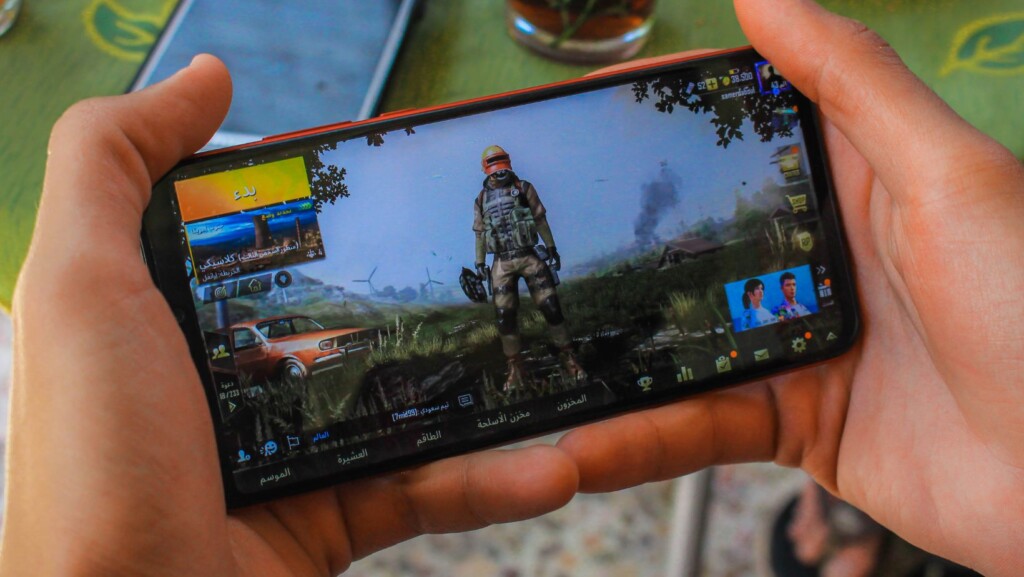
Wide adoption of HTML5 has transformed how online slots interact with both desktops and mobile devices. These days, designers seem to treat responsiveness as non-negotiable. Interfaces adapt quickly, layouts bend and stretch so that slots don’t lose their feel—whether you’re holding a phone or staring at a monitor. Touch controls aren’t exactly an afterthought either; larger buttons, shaved-down navigation… it all smooths out play on smaller screens. Developers keep tinkering haptic pulses, camera-based bonuses, touchscreen gestures; there’s always something new in the works, aiming to make things engaging.
Orientation changes aren’t a headache anymore, either: you can flip your phone any which way and the game follows along. Core controls (reels, those pop-up feature notifications) shift to where thumbs actually land. Tablet users—or foldables, if anyone actually owns one find UIs that snap into dual panels or reveal hidden menus when they need them. Cross-platform? At this point, if a slot game doesn’t just work everywhere, people notice.
Virtual Reality, AI Personalization, and the Next User Interface Wave
Virtual reality has, well, started to nudge digital slot games into a different league. Slip on a headset, and you can find yourself in a 3D casino with enough detail to be slightly distracting. Gesture-based controls, immersive audio slots have taken on a new layer of sensory appeal. It means, however, you’re going to need a fairly modern VR device with up-to-date firmware and some beefy graphics power to even get started. Then there’s augmented reality, which overlays slots onto your everyday world using your phone’s camera.
On top of that, artificial intelligence seems to be playing a bigger role, though it’s mostly background work tracking preferences, suggesting relevant games, quietly changing control layouts or support options. A lot of that is handled on servers rather than on your own device, so while you might not notice it, the code underneath is a bit heavier than it looks. Lately, interface frameworks are integrating chatbots, live notifications, banners that morph based on user actions; it’s all layered, and often driven by algorithms that are, let’s be honest, slightly mysterious even to devs.
Blockchain Features and Social Play Integration
Blockchain’s arrival in the slot space is kind of a double-edged thing. More transparency, arguably; it becomes possible for players to check outcomes, juggle crypto wallets, and move funds securely within the game. All good, on paper. Meanwhile, behind the scenes, the backend needs to keep up: secure nodes, cryptography everywhere. For the player, what actually changes is what sits on top, more interfaces for wallet linking, smart contract confirmation, a look at what’s been spent. Multiplayer elements, though, might be having the bigger moment.
Tournaments, in-game chatrooms, co-op bonus modes they’re suddenly popping up everywhere. Devices have to manage more connections at once; notification systems grow more layered. Designers keep adding leaderboards, social feeds, places to track rewards. Sometimes it feels like you’re in a mini-social network built around the game.
Responsible Gaming in Modern Online Slots
Bringing it back to user safety: this area can’t really get sidelined as tech advances. Limits deposits, play sessions, even “take a break” controls are showing up in menus where you can’t miss them. The results might not be perfect, but reality checks, auto time-outs… they have become pretty standard, at least in top-shelf slots, and they do give players tools to manage risk.
UI cues come at you alerts, progress meters, clear logs of what you’ve been up to little reminders to keep things on track. If there’s a point to all this, maybe it’s that long-term engagement looks shakier unless these safeguards are easy to reach and regularly refreshed as habits shift. For anyone who needs to pause, ask for help, or rein things in, those options (or at least most of them) are only ever a tap or two away.