
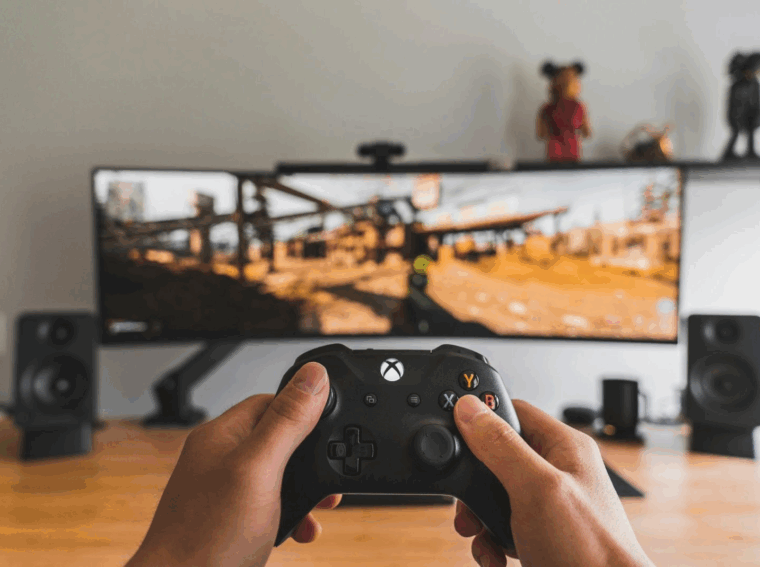
Competitive multiplayer gaming has evolved into a demanding area. where skill meets strategy and every decision counts toward victory or defeat. Still, no matter if you’re climbing ranked ladders in League of Legends, pushing for higher tiers in Valorant, or battling it out in Street Fighter tournaments, the winning principles remain surprisingly consistent.
The foundation is nothing new — deliberate practice and strategic thinking. At the same time, many players discover that standard gameplay mechanics aren’t enough, so they explore advanced techniques, including Cosmo cheats and other third-party boosts available today.
You, too, can spend a few extra bucks to take your game to the next level — and we’re certain the idea has crossed your mind already. But before you pay for anything, let’s check out the top strategies for multiplayer games first and choose upgrades later.
Master the Mental Game First
Your mindset determines if you’ll crumble under pressure or thrive when the stakes go up. After all, competitive gaming is as much a psychological battle as it is a mechanical skill.
Build Unshakeable Focus
Concentration isn’t just about avoiding distractions — it’s about training your brain to process information under stress. Elite players develop what psychologists call “selective attention,” where they automatically filter out irrelevant details while noting crucial game information.
- Practice meditation or breathing exercises: Even five minutes daily improves your ability to stay calm during clutch moments.
- Create consistent pre-game rituals: Establish routines that signal your brain to enter competitive mode.
- Eliminate environmental distractions: Use noise-canceling headphones and optimize your physical setup for minimal interruptions.
These techniques work because they train your nervous system to remain stable when adrenaline spikes during crucial rounds.
Handle Tilt and Emotional Control
Tilt — the state where frustration impairs your decision-making — kills more winning streaks than mechanical mistakes ever could. Understanding how emotions affect your gameplay gives you a massive advantage over players who let anger or disappointment control their actions.
The most effective anti-tilt strategy is to analyze your personal warning signs and recognize them early, before they escalate. Some players notice their APM (actions per minute) increasing erratically, others catch themselves making increasingly aggressive plays, and many report a specific physical sensation like tension in their shoulders or jaw.
Perfect Your Practice Methodology
Random grinding doesn’t help with consistent improvement, but structured practice with specific goals does. The difference between effective and ineffective practice is how deliberately you approach each session.
Try Focused Drilling Sessions
Champion-level players spend hours in training modes, but they don’t just randomly shoot bots or mindlessly run through combos. Instead, they identify specific weaknesses and create targeted exercises to address them.
- Isolate individual skills: Work on aim training separately from game sense development.
- Set measurable benchmarks: Track your progress with concrete metrics like headshot percentage or reaction times.
- Practice under pressure: Use aim trainers with time limits or play custom games with stakes attached.
- Record and review sessions: Video analysis shows patterns you miss during live gameplay.
This approach helps with steady improvement because it forces your brain to form stronger neural pathways for specific skills.
VOD Review and Analysis Techniques
Watching your own gameplay footage shows the gap between what you think happened and what actually happened. Most players remember their best plays vividly but forget their mistakes, which creates a distorted view of their actual performance level.
Effective VOD review is about watching each game at least twice — once for overall flow and decision-making patterns, then once again, focusing on specific mechanical execution. Take notes during the second viewing and categorize mistakes by type: positioning errors, timing issues, mechanical failures, or strategic miscalculations.
Communication and Team Coordination
Solo skill only matters if you can integrate it effectively with your teammates’ abilities. Even in games where individual performance seems a priority, team coordination often determines the outcome of close matches.

Develop Clear Callout Systems
Precise communication eliminates confusion and enables faster team responses to changing situations. The best teams develop standardized callouts that convey maximum information with minimum words, allowing for quick decision-making during intense moments.
Create a shared vocabulary for common positions, strategies, and enemy behaviors. Practice using these callouts during scrimmages until they become automatic responses rather than conscious efforts.
Read Team Dynamics
Understand your teammates’ tendencies and adapt your playstyle accordingly. Some players perform better with aggressive support; others need space to execute their game plan.
| Communication Type | Purpose | Example |
| Information calls | Share enemy positions | Two pushing long, one low |
| Strategic calls | Coordinate team actions | Let’s rotate through mid |
| Support calls | Request or offer assistance | Need help with this angle |
| Timing calls | Synchronize actions | Execute on my mark |
Effective teams blend all four communication types during matches, creating a constant flow of relevant information.
Advanced Game Sense Development
Game sense — the ability to read situations and make optimal decisions — is what truly separates professional players from skilled amateurs. This meta-skill includes everything from predicting enemy movements to understanding when to take calculated risks.
Pattern Recognition and Prediction
Elite players develop an almost supernatural ability to anticipate opponent actions, but this “sixth sense” actually stems from recognizing recurring patterns in player behavior. Most competitors fall into predictable habits under pressure, and identifying these tendencies gives you a significant strategic advantage.
Study how opponents react to specific situations: Do they become more aggressive when losing? Do they favor certain positions when defending? How do they respond to unexpected strategies? Forming a mental ‘database’ of these patterns gives you a chance to stay one step ahead.
Risk Assessment and Decision Making
Every competitive game involves constant risk-versus-reward calculations, from positioning choices to resource management decisions. Top players excel at quickly evaluating multiple options and making the best decisions in the current game state.
- Consider opportunity costs: Every action prevents alternative actions, so evaluate what you’re giving up.
- Factor in information advantages: Sometimes the safe play is optimal, even if aggressive options seem more appealing.
- Account for teammate positions: Your individual optimal play might not align with the team’s optimal play.
These calculations become intuitive with experience, but consciously practicing this decision-making framework will speed things up for you.
Resource and Cooldown Management
Resource value changes based on game state and timing. Ideally, you should save high-impact abilities for moments where they create decisive advantages instead of using them as soon as they’re available. So, try to predict future game flow and analyze which situations might demand immediate responses instead of patient positioning.
Technical Execution and Consistency
Raw mechanical skill creates the foundation for strategic thinking. Without reliable execution, even perfect game sense is meaningless.
Hardware and Setup Optimization
Your physical setup directly impacts your performance ceiling — even small improvements in responsiveness or comfort can yield measurable advantages over extended play sessions.
Monitor refresh rate, input lag, and peripheral responsiveness all affect your ability to execute precise movements. Most competitive players benefit from higher refresh rates (144Hz minimum), mechanical keyboards with consistent actuation, and mice with reliable sensors and appropriate weight distribution.
Build Muscle Memory
Consistency under pressure comes from training your motor skills until they become automatic responses. In turn, this frees up mental bandwidth for strategic thinking. Practice essential movements until they feel natural, then gradually add complexity or speed requirements. The goal is to develop reliable execution that persists even when your conscious mind is busy with higher-level decisions.
Remember that multiplayer games rely on a balance between mechanical precision and strategic thinking. Still, the key success factor is your ability to maintain peak mental performance under intense pressure.